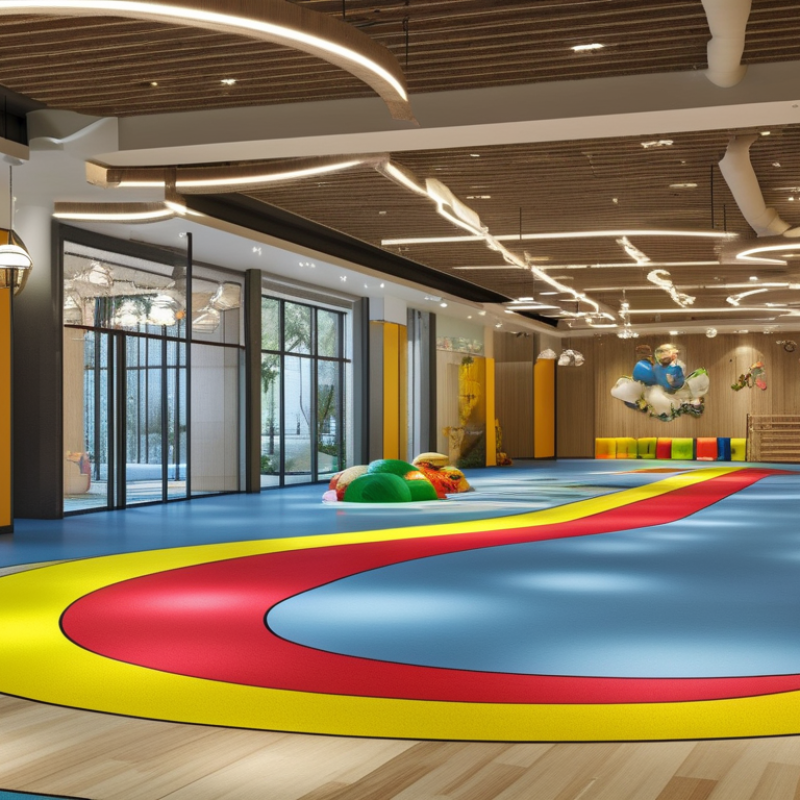
What is Rubber Flooring Sheets and How to Choose Them?
rubber flooring sheets are a versatile and durable option for various spaces. They offer excellent slip resistance, making them ideal for gyms, hospitals, and children's play areas. This type of flooring comes in various colors, textures, and thicknesses. Choosing the right rubber flooring sheets can be daunting due to the many options available.
In this exploration, we will discuss how to approach this decision. Factors like installation methods, maintenance requirements, and environmental impact are crucial. Consider your space's specific needs, as not all rubber sheets are the same. Some may be better suited for high-traffic areas, while others excel in aesthetics.
It's essential to reflect on your priorities before making a choice. The right rubber flooring sheets should not only meet practical needs but also enhance the overall look of your space. By understanding the available options, you can make a more informed and reliable decision.
What are Rubber Flooring Sheets?
Rubber flooring sheets are versatile materials designed for various environments. They are made from synthetic rubber, which provides excellent durability and elasticity. These sheets can be found in gyms, playgrounds, and commercial spaces due to their shock-absorbing properties. Moreover, they offer a non-slip surface, making them a safer choice for areas subjected to moisture.
Choosing the right type of rubber flooring sheets can be overwhelming. It’s essential to consider the thickness and density for specific applications. Thicker sheets generally provide better cushioning. Color and texture are other significant factors. You might prefer vibrant colors for creative spaces or subtle tones for a professional setting.
The installation process often requires precision. Improper installation can lead to future issues, such as curling or lifting, impacting both safety and aesthetics. Additionally, maintaining the flooring is vital; regular cleaning is necessary to avoid buildup, which may affect durability. Evaluating all these aspects requires careful thought and sometimes expert advice.
Key Benefits of Using Rubber Flooring Sheets
Rubber flooring sheets offer numerous benefits that make them an appealing choice for various settings. They provide excellent shock absorption, making them ideal for gyms and play areas. The soft surface reduces the risk of injury, especially in spaces where falls are common. Additionally, rubber flooring is slip-resistant, enhancing safety in high-traffic environments.
Another key benefit is durability. Rubber flooring can withstand heavy foot traffic without showing wear. It resists staining and is easy to clean, which is essential in commercial spaces. Eco-conscious consumers will appreciate that many rubber flooring sheets are made from recycled materials, contributing to sustainability efforts. Yet, it’s crucial to consider that not all rubber flooring is created equally. Some sheets might not perform well in extreme temperatures or may emit odors.
When selecting rubber flooring, ensure you evaluate the thickness and density for your specific needs. Thicker options provide more cushioning, while denser sheets offer enhanced durability. It’s also important to check maintenance requirements, as some types may need regular treatment to maintain their appearance. An informed choice will lead to better outcomes and greater satisfaction in your space.
Factors to Consider When Choosing Rubber Flooring Sheets
When considering rubber flooring sheets, several key factors should influence your decision. Durability is crucial; rubber flooring typically lasts longer than traditional materials like carpet or vinyl. According to industry reports, high-quality rubber can withstand heavy foot traffic, making it ideal for gyms, schools, and commercial spaces. Look for materials that meet safety standards, such as ASTM testing for slip resistance and fire ratings.
Another significant factor is thickness. Thicker sheets generally provide better cushioning and noise reduction. Standard thickness options range from 1/8 inch to 1/2 inch. Choosing the right thickness can enhance comfort and reduce fatigue, especially in workout areas. However, installation can be an issue; thicker materials might require professional installation.
Color and design should also be considered. Rubber flooring comes in various colors and patterns, allowing for creative spaces. It's essential to select colors that complement the overall aesthetic. Notably, lighter colors may show dirt more easily, requiring more frequent cleaning.
Testing samples before purchase is always wise. This helps ensure the material feels right underfoot. The wrong choice can lead to costly replacements down the line. Think carefully before making your final decision; the right flooring can significantly impact your environment and overall satisfaction.
Different Types of Rubber Flooring Sheets Available
Rubber flooring sheets come in various types, each designed for specific needs. One popular type is rolled rubber flooring. This option is often used in gyms or commercial spaces due to its durability and shock absorption. It is easy to install, usually in large rolls, covering wide areas seamlessly. These sheets can withstand heavy foot traffic and are resistant to damage, making them ideal for high-use environments.
Another type is interlocking rubber tiles. They offer flexibility in design and ease of installation. These tiles can be arranged in various patterns to create unique aesthetics. Interlocking tiles are also portable, allowing for easy removal and reconfiguration. Yet, this type may not always provide as much sound insulation as rolled options.
Further, there are rubber flooring sheets available in various thicknesses. Thicker sheets can provide better cushioning but may be more difficult to install. When choosing rubber flooring, consider the environment and specific purpose. Reflect on the challenges of installation, maintenance, and budget constraints. Each type has its pros and cons, so careful evaluation is essential to ensure you select the right rubber flooring solution.
Installation and Maintenance Tips for Rubber Flooring Sheets
Installation of rubber flooring sheets can be straightforward, but attention is necessary. Before starting, ensure the subfloor is clean and dry. This prevents issues like mold or uneven surfaces later. Use a level to check the subfloor's evenness. Any bumps can lead to discomfort underfoot and damage the flooring over time.
When laying the sheets, consider using adhesive for added stability. This can help keep the rubber in place, minimizing the risk of slips. Moreover, leaving a small gap at the edges for expansion is crucial. Room temperature changes can cause the sheets to expand or contract.
Maintenance is equally important for longevity. Regular sweeping and mopping are vital to keep the surface clean. Avoid harsh chemicals that can damage the material. Inspect the flooring periodically for signs of wear. Noticing small issues early can prevent costly repairs down the line. Be aware that even with good care, heavy foot traffic can lead to scratches and wear.