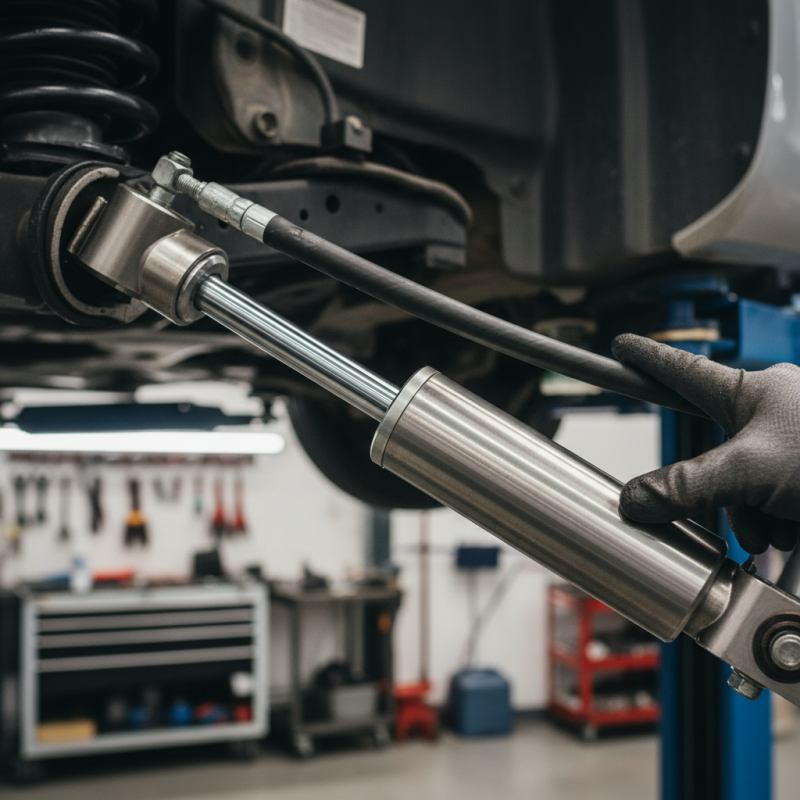
Steering Cylinder Tips for Effective Vehicle Control and Maintenance?
The Steering Cylinder plays a crucial role in vehicle control. This component is essential for accurate steering. Proper maintenance ensures safety and performance.
Drivers often overlook this vital part. Ignorance can lead to handling issues. A faulty steering cylinder may cause misdirected maneuvering, putting lives at risk. Regular inspection aids in early detection of problems.
Understanding how the steering cylinder functions can enhance driving experience. Learning about its maintenance is equally important. Emphasizing care can avoid costly repairs. However, many do not prioritize this aspect. Reflecting on your vehicle's upkeep can lead to better driving safety and efficiency.
Steering Cylinder Functionality and Its Role in Vehicle Control
The steering cylinder plays a crucial role in vehicle control. It connects the steering mechanism to the wheels, allowing drivers to maneuver effectively. A well-functioning steering cylinder enhances responsiveness. It ensures smooth transitions when turning. But, when neglected, this component can lead to significant issues.
Common problems arise from wear and tear. Drivers might notice increased play in the steering wheel. This could indicate that the steering cylinder needs inspection. Regular maintenance checks are vital. A simple grease application can prolong its life. Ignoring this might result in costly repairs later.
In addition, a malfunctioning steering cylinder can compromise safety. It may affect the vehicle's stability, especially at high speeds. This could lead to loss of control. It's essential to listen for unusual noises when turning. These sounds often signal an underlying issue. Addressing them early can prevent further complications.
Key Components of Steering Cylinders: Understanding Their Mechanics
Steering cylinders play a crucial role in vehicle control. These components enable precise direction changes. They rely on hydraulic pressure to adjust steering angles. According to industry reports, up to 70% of steering problems stem from cylinder issues.
Understanding the mechanics of steering cylinders is essential. Key components include seals, pistons, and fluid ports. Each part must work flawlessly for optimal performance. If any component fails, drivers may notice response delays. Regular maintenance can mitigate these issues. Check fluid levels frequently. This simple step can enhance steering effectiveness significantly.
Tips for maintaining steering cylinders include inspecting seals for leaks. Leaking seals can lead to fluid loss and reduced steering response. Periodic fluid replacement is also important. Fresh fluid ensures that the system operates smoothly. Remember, neglect can result in diminished control. Observing unusual noises during steering should prompt further investigation. It's essential to address these warning signs promptly.
Best Practices for Maintenance: Extending the Lifespan of Steering Cylinders
Proper maintenance of steering cylinders is crucial for vehicle safety and performance. Research indicates that regular inspections can lead to a 30% increase in the lifespan of these components. This means less frequent replacements and reduced long-term costs. Monitoring fluid levels is essential. Low hydraulic fluid can cause steering system failure. Ensuring the right amount of fluid helps maintain proper pressure and function.
Corrosion is another major issue. Studies reveal that nearly 25% of steering cylinder failures stem from rust and corrosion accumulation. Using high-quality seals and protective coatings can mitigate these risks. Regularly cleaning the steering cylinder area prevents dirt buildup that can lead to premature wear. Moreover, technicians should be vigilant. They need to identify signs of wear early, like unusual noises or reduced responsiveness. Ignoring these signs can result in more severe issues, including complete steering loss.
Additionally, the environment plays a significant role. Vehicles in harsher climates may experience quicker degradation of steering system components. Implementing a seasonal maintenance routine is vital. Lubricating moving parts and inspecting for leaks can vastly improve performance. Compliance with manufacturer specifications is crucial, yet many vehicle owners overlook this aspect. Taking these steps seriously can lead to enhanced safety and prolonged lifespan of steering cylinders.
Common Issues and Troubleshooting Techniques for Steering Cylinders
Steering cylinders are vital for a vehicle's control. They help in turning the wheels smoothly. However, various issues can arise over time. One common problem is leaks. Hydraulic fluid may escape from connections or seals. This can lead to poor steering response. Drivers might notice a difference when turning. It’s essential to check hoses and fittings frequently.
Another prevalent issue is excessive wear. Steering cylinders may wear out due to constant use. If a driver feels vibrations or stiffness, this might indicate a problem. Regular inspection can help catch these signs early. A visual check can reveal cracks or corrosion. Additionally, slow response when steering can signal internal failure.
Finally, make sure to maintain the steering fluid level. Low fluid can cause delays in steering reaction. Inconsistent levels may indicate leaks or other issues. Drivers should regularly check their fluid levels. Addressing these issues promptly can enhance vehicle performance. Overlooking them may lead to larger problems down the road.
Industry Standards for Steering Cylinder Performance and Safety Regulations
Steering cylinders play a critical role in vehicle control, impacting safety and performance. According to the American Society of Automotive Engineers (SAE), nearly 34% of vehicle accidents occur due to steering failures. This alarming statistic emphasizes the need for adherence to industry standards. Standards set by organizations like SAE and ISO ensure that steering cylinders meet minimum performance and safety criteria.
Regular maintenance is essential to ensure compliance with safety regulations. Drivers should inspect steering cylinders frequently. Look for signs of wear and leaks. A small leak can lead to failure, risking driver safety. The National Highway Traffic Safety Administration (NHTSA) reports that regular inspections can reduce steering-related incidents by up to 25%. However, many vehicle owners overlook this aspect of maintenance.
The variability in manufacturing standards can complicate matters. Some manufacturers may not adhere to recommended guidelines. This inconsistency can lead to performance issues, raising concerns about safety. Continuous monitoring and adherence to safety regulations should be a priority. Clear communication of these standards can prevent accidents and ensure a safer driving environment.
Steering Cylinder Tips for Effective Vehicle Control and Maintenance
| Dimension | Specification | Industry Standard | Safety Regulation |
| Cylinder Diameter | 30 mm | ISO 9001 | SAE J1940 |
| Stroke Length | 120 mm | DIN 14540 | FMVSS 126 |
| Maximum Pressure | 150 bar | ISO 4406 | ECE R79 |
| Weight | 3 kg | ASTM D4169 | NHTSA Guidelines |
| Operating Temperature | -40°C to 85°C | MIL-STD-810 | FMVSS 302 |