
Blog

What Are the Top Types of Shaped Pouches?

Shaped pouches turn flexible packaging into a more distinctive, product-specific format. Curved shoulders, rounded corners, and custom-cut outlines can make a pack easier to recognize on a crowded shelf. Some designs also improve grip or help products pour neatly. But shape alone does not guarantee better performance. Material choice, seal strength, filling equipment, and transport conditions matter just as much.

Industry data shows why flexible formats deserve attention. The Flexible Packaging Association’s 2023 State of the U.S. Flexible Packaging Industry report valued the sector at $42.9 billion in 2022, about 21% of the U.S. packaging market. That figure covers flexible packaging broadly, not shaped pouches alone. It should not be read as proof that one pouch style leads sales. Still, it offers useful context for brands comparing packaging options. Smithers’ market research on flexible packaging also examines demand drivers such as convenience, material use, and changing pack formats.

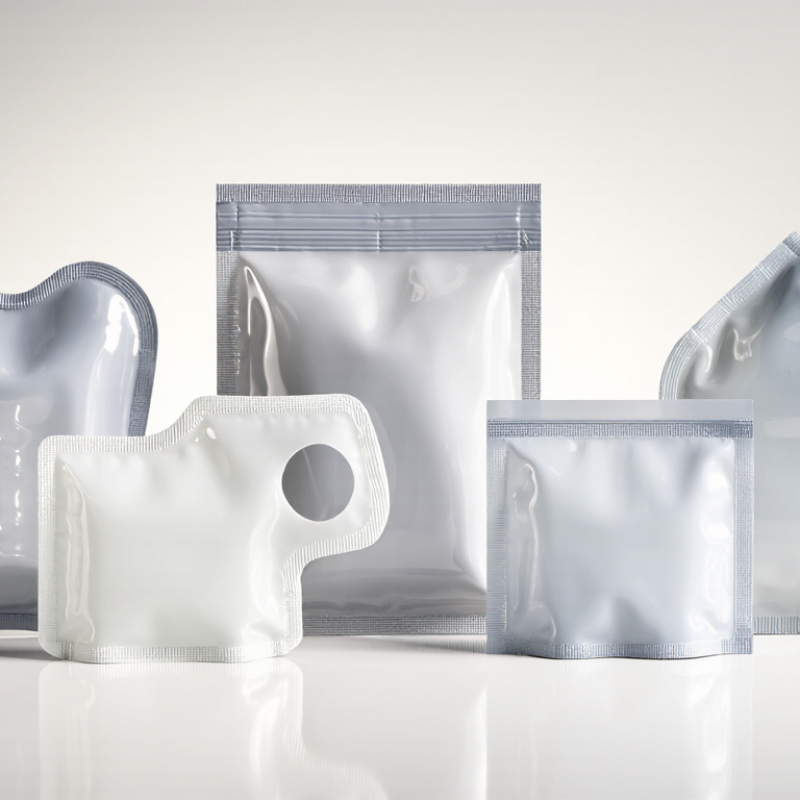
This guide looks at common Shaped Pouch types, including stand-up contour pouches, spouted designs, flat-bottom styles, and custom-shaped packs. Each serves different needs. A spout can control pouring; a broad base can help a pouch stand upright. Details matter. We will compare typical uses, practical strengths, and design trade-offs, while noting where claims depend on the product and production line. Some choices are less obvious than they look.
What Are the Top Types of Shaped Pouches?

Stand-Up Shaped Pouches for Shelf-Ready Packaging

Stand-up shaped pouches pair a stable base with a distinctive outline, helping products face forward on retail shelves. Their bottom gusset opens as the pouch is filled, giving it room to stand without a separate carton. Contoured shoulders, angled sides, or a rounded top can make the pack easier to recognize at a glance. That matters.

The shape should suit both the product and the filling process. A pouch holding dry snacks may need a wide opening, while a thick product can require more space near the seal. Clear windows can show texture and color, but they also reduce the area available for printed information. The base needs enough depth to support the filled pouch, not just an attractive silhouette.

Shelf-ready performance depends on more than appearance. Check that the pouch stands steadily after filling, remains easy to open, and uses barrier materials suited to the product’s moisture, oxygen, and light sensitivities. These details are best assessed with filled samples and handling tests. A shaped edge can add visual character, but it may also reduce usable volume or complicate packing. There is no perfect outline for every shelf.

Spouted Shaped Pouches for Liquids and Pourable Products

Spouted shaped pouches combine a contoured body with a fitment for controlled pouring. Their curved edges can help a pack stand out on a shelf, while the spout gives users a practical way to dispense liquids. A corner spout may suit thin drinks or sauces; a centered spout can feel easier to handle with two hands. Small details matter.

The opening size should match the product’s flow. Thin liquids usually pass through narrow spouts, while thicker purées may need a wider bore. A cap that is easy to grip also helps reduce drips between uses. During filling, the pouch material and spout area need compatible sealing conditions. Seal strength should be checked on finished packs, not assumed from a material specification alone. Not always.

Barrier layers can help protect flavor and limit oxygen or moisture transfer, but the right structure depends on the product and storage conditions. Ask a packaging specialist about product viscosity, filling temperature, and expected handling before choosing a pouch. A simple pour test with the actual product can reveal splashing, clogging, or awkward grip. If the pouch flexes too much when nearly empty, consumers may struggle to dispense the last portion. That can disappoint.

Top Types of Shaped Pouches: Typical Product Compatibility

Spouted shaped pouches are commonly used for pourable products such as beverages, sauces, and purees. Compatibility is a general guide, not market-share data; the right format depends on the product and package design.

Die-Cut Shaped Pouches for Distinctive Product Silhouettes

What Are the Top Types of Shaped Pouches?

Die-Cut Shaped Pouches for Distinctive Product Silhouettes

Die-cut shaped pouches use custom-cut edges to create silhouettes beyond a standard rectangle. A pouch might follow the outline of a fruit, a leaf, or a simple geometric form. This distinctive shape can help products stand out on crowded shelves and make packaging feel more connected to what is inside. Stand-up and flat pouches can both be adapted, depending on the product and display needs. The shape is only one part of the design, though. Seal areas, opening features, and filling equipment still need enough room to work reliably.

Tips: Keep the outline simple. Ask the converter to review seal width, zipper placement, and fill-line compatibility before approving a sample. Check the pouch when filled, not only when it is flat. Small details matter.

Unusual contours can add appeal, but they may also reduce usable space or make a pouch less stable. A narrow neck, for example, can look elegant yet complicate filling or pouring. A prototype helps reveal these trade-offs early. Test it with the actual product, and inspect how it stands, opens, and handles during use. Some ideas will need revision. That is part of making a distinctive shape practical, not just attractive.

Flat-Bottom Shaped Pouches for Added Stability

Flat-bottom shaped pouches pair a distinctive outline with a broad, squared base. The base distributes product weight across a wider footprint, helping the pouch stand on a shelf or counter. A steady pack keeps more of the front panel visible and makes labels easier to read. Small detail, real difference.

Depending on the design, side gussets and a reinforced bottom panel help the pouch hold its shape after filling. This format can suit dry foods, powders, and other products that benefit from upright storage. Angled sides, rounded shoulders, or a tapered top can add visual character while preserving the flat base. The right shape depends on fill weight, product flow, and how the pouch will be handled.

Stability is not automatic. An uneven seal, overfilling, or contents shifting to one side can make a pouch rock or tip. Test filled samples on the intended shelf surface, and check the base width, seams, and opening access. A pouch may look balanced when empty, yet behave differently when packed. That part is easy to miss.

What Are the Top Types of Shaped Pouches? - Flat-Bottom Shaped Pouches for Added Stability

Pouch type Typical construction Stability and display Common applications Considerations
Flat-bottom shaped pouch A box-style format with a flat base, side gussets, and shaped or contoured panels. The broad, flat base generally helps the pouch stand upright and maintain a defined shelf-facing shape. Dry foods, coffee, snacks, pet treats, and other products suited to a self-supporting pack. The formed base and gussets can use more material and require careful sealing and filling setup.
Stand-up shaped pouch A flexible pouch with a bottom gusset that opens as the pack is filled; the upper profile can be die-cut into a custom shape. Designed to stand when filled, though its footprint and balance depend on pouch dimensions, fill weight, and product distribution. Confectionery, personal-care products, snacks, and other lightweight or medium-weight goods. A shaped outline can reduce usable panel area and may affect how the pack fits on shelves or in filling equipment.
Three-side-seal shaped pouch A flat pouch sealed along three edges, with a custom-cut outline; it typically has no expanding bottom gusset. Usually intended to lie flat or be displayed in an outer holder rather than stand independently. Single-use portions, samples, masks, wipes, and flat products. Its flat profile can be space-efficient, but it offers less self-support than gusseted formats.
Side-gusset shaped pouch Side folds expand to add capacity; the top or front profile may be customized while the base remains comparatively narrow. Provides added volume, but upright stability varies with the base design and how the pouch is filled. Coffee, powdered goods, and bulkier products that benefit from expandable side panels. The gussets need to open and fill evenly; a narrow bottom may be less stable than a flat-bottom format.
Shaped spout pouch A flexible pouch with a fitment and cap, often paired with a bottom gusset and a custom-cut outline. A gusset can help it stand when filled; the spout position and liquid weight influence balance and handling. Sauces, beverages, purees, and liquid or semi-liquid products. Fitment sealing, leak resistance, filling compatibility, and intended dispensing method should be tested.

Stability is influenced by pouch geometry, material stiffness, fill weight, and product distribution. Confirm performance with samples under actual filling and storage conditions.

Specialty Shaped Pouches for Unique Packaging Needs

What Are the Top Types of Shaped Pouches?
Specialty Shaped Pouches for Unique Packaging Needs

A shaped pouch can do more than hold a product. Its silhouette can signal how the package is used, help it stand upright, or make it easier to grip. Common options include contour-cut pouches, designs with built-in handles, spouted formats, and custom outlines inspired by a product’s shape. Each choice should solve a real handling or display need, not just look different.

For pourable products, a corner or center spout can support controlled dispensing. A handle-shaped opening may help shoppers carry a larger pouch, while rounded edges can feel comfortable in the hand. Small snack or sample packs may use distinctive outlines to stand out on a crowded shelf. Still, a dramatic shape can reduce filling space or complicate packing. That trade-off matters.

Before choosing a design, consider the product’s weight, texture, filling temperature, and storage conditions. Ask a packaging specialist to review the seal area, material structure, and filling equipment requirements. Then test filled samples upright, tilted, and after transport. Watch for leaks, weak corners, or awkward pouring. Real tests beat a sketch. A simpler pouch may be better, and that detail is easy to overlook.

By continuing to use the site, you agree to the use of cookies. more information

The cookie settings on this website are set to "allow cookies" to give you the best browsing experience possible. If you continue to use this website without changing your cookie settings or you click "Accept" below then you are consenting to this.

Close