
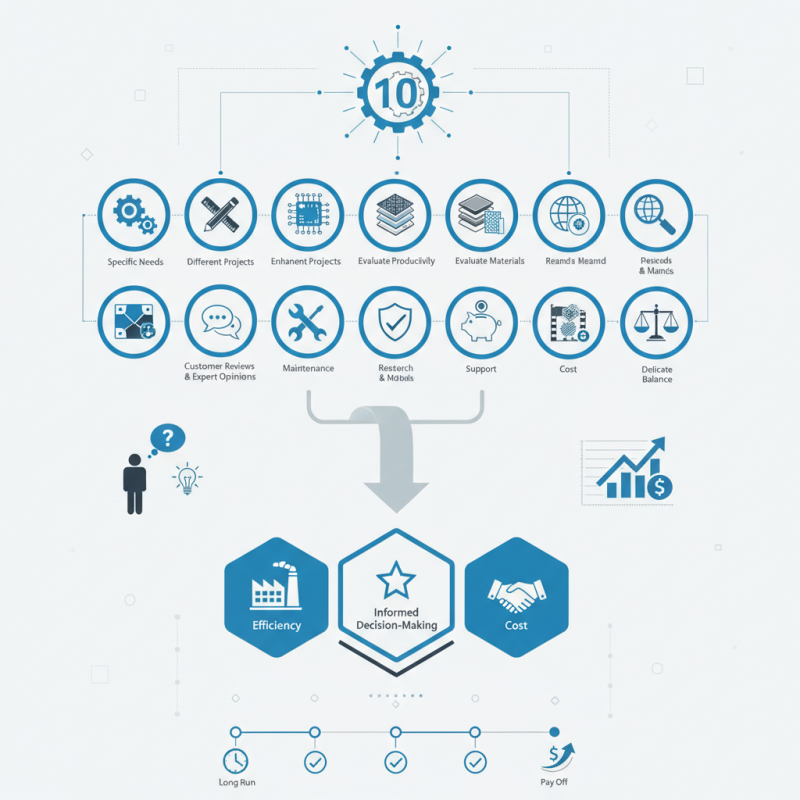
Choosing the right laser cutting machine can feel overwhelming. With so many options available, making the best choice is vital. Industry expert John Carter once said, “Investing in the right laser cutting machine is crucial for efficiency and quality.” This insight underscores the importance of informed decision-making.
When selecting a laser cutting machine, consider your specific needs. Different projects require different specifications. The right features can enhance your productivity significantly. Evaluate the materials you plan to cut, as well. Each material demands unique attention and capabilities from the machine.
Researching various brands and models is essential. Look for customer reviews and expert opinions. Factors like maintenance, support, and cost cannot be overlooked. Remember, a machine that excels in one area may lack in another. It’s a delicate balance. Make your choice wisely, and it will pay off in the long run.
When looking for a laser cutting machine, it's essential to understand the different types available. CO2 laser machines are widely used. They are ideal for cutting wood, acrylic, and leather. This kind of laser is efficient and offers high precision. However, they might struggle with metals. Fiber laser machines, on the other hand, excel at cutting metals. They work faster and can handle thicker materials. If you mostly work with metal, a fiber machine might be the right choice.
There are also hybrid machines. They combine the features of both CO2 and fiber lasers. These machines cater to diverse needs. However, they can be more expensive and complex. Research the materials you'll often use. Know your production volume. A suitable machine should balance performance and cost. Choosing the right one requires careful consideration. Look at your specific needs closely. Each type has its advantages and drawbacks that demand reflection. This decision impacts not only current projects but also future endeavors.
This bar chart illustrates the importance levels of various factors to consider when choosing a laser cutting machine. Each factor is rated on a scale from 1 to 10, with 10 indicating the highest importance. Prioritizing these aspects can help in selecting a machine that best fits your needs.
When selecting a laser cutting machine, key features play a crucial role. The type of laser source is one of the most important factors. CO2 lasers are ideal for cutting non-metals, while fiber lasers excel at cutting metals. Research shows that fiber lasers can operate with up to 30% higher efficiency than CO2 lasers, making them a favorite for industrial applications.
Another critical feature is the machine’s cutting speed. Some machines may promise high speeds, but real-world testing shows that many fall short. In actual use, speed can depend on material type and thickness. It’s essential to verify performance data from reliable industry reports before making a decision.
Consider the software compatibility as well. A user-friendly interface can greatly enhance productivity. Complex software can lead to frustrations and delays. Many users express their challenges with sophisticated machines. They report that a simpler, intuitive system can often yield better results.
Always keep in mind maintenance requirements. A low-maintenance machine might save money, but some users find they compromise on power. Take note of this trade-off. Analyzing feedback from other users can provide valuable insights. Ultimately, understanding these features leads to better choices in laser cutting technology.
Choosing the right laser cutting machine requires careful thought. To achieve optimal cutting results, assessing your material compatibility is crucial. Different materials respond variably to laser cutting. For instance, woods burn differently compared to metals. Understanding the characteristics of your material can help you prevent unintended outcomes.
When selecting a laser cutter, consider the thickness and type of material. Thicker materials may need more powerful machines. Conversely, delicate substances like fabrics require precision settings to avoid damage. Always test your settings on scrap material first. This practice can save you time and resources. You might find unexpected results. Perhaps your settings need tweaking. Don't hesitate to adjust as needed.
Moreover, be aware of the venting and cooling requirements. Certain materials produce fumes or heat that can affect performance. Not all cutters handle these aspects well. Research potential issues beforehand. Trying to cut incompatible materials can lead to disappointing results. Stay informed about the various capabilities of cutting machines to make better choices. Your final results will reflect the effort you have put into understanding your materials.
When evaluating budget constraints for a laser cutting machine, start by defining your needs. Consider the materials you'll cut. Different materials require different power levels. Take time to analyze what you'll use most. This impacts your initial investment and future costs.
Next, think about maintenance costs. Some machines require more upkeep than others. Budget for repairs or replacements. Have a contingency plan for unexpected expenses. Calculate the total cost of ownership, not just the purchase price. This helps in making a more informed decision.
Additionally, consider the potential return on investment (ROI). If the machine helps you meet client demands faster, it may justify a higher upfront cost. Reflect on your business growth projections. However, be cautious about overspending. A machine that doesn't fit your actual use can lead to regret. Budget wisely to ensure your investment pays off in the long run.
| Tip | Description | Budget Consideration | Cost-Effectiveness |
|---|---|---|---|
| 1. Assess Your Needs | Determine the materials and thicknesses you'll be cutting. | Higher precision may increase costs. | Choose a machine suitable for diverse projects to minimize future upgrades. |
| 2. Research Technologies | Understand different laser types (CO2, fiber, etc.) and their applications. | Advanced technology may have a higher initial cost. | Investment in technology can lead to long-term savings on materials. |
| 3. Evaluate Operating Costs | Consider electricity consumption, maintenance, and repair costs. | Calculate total cost of ownership over time. | Lower operational costs can improve profitability. |
| 4. Check Speed and Efficiency | Look for machines that provide a balance of speed and quality. | Faster machines may have a higher price tag. | Efficiency reduces labor costs by shortening project times. |
| 5. Safety Features | Ensure the machine includes safety measures to protect operators. | Safety features may add to the budget. | Prevents accidents and minimizes potential costs from injuries. |
| 6. Warranty and Support | Check the length and coverage of the warranty offered. | Comprehensive warranties may increase upfront costs. | Good support can reduce downtime costs significantly. |
| 7. Review Customer Feedback | Look into user experiences and reviews on various platforms. | Researching can save you from costly mistakes. | Learn from others’ experiences for better investment decisions. |
| 8. Consider Resale Value | Look for machines that tend to hold their value well. | Investing in popular models can yield better resale. | Future-proof your investment by selecting reputable models. |
| 9. Compare Prices | Get quotes from multiple sources and compare features. | Don't rush; ensure you fit your budget. | Finding the best price can yield significant savings. |
| 10. Ensure Future Scalability | Select a machine that can adapt to future needs. | Higher initialSpend could allow for more profitability later. | Flexibility maximizes your investment in the long run. |
When choosing a laser cutting machine, it's crucial to consider brand reputation and customer reviews. A well-respected brand often reflects quality and reliability. However, not all popular brands provide the expected performance. Some users report issues in customer service. These experiences can offer insights into brand reliability.
Customer reviews play an essential role in this selection process. They provide real-life experiences that can highlight strengths and weaknesses. Look for detailed reviews that discuss specific features and usage scenarios. Some customers appreciate precision, while others note the need for better software integration. It’s important to weigh these opinions to form a balanced view.
A few negative reviews shouldn’t deter you entirely. Often, they highlight specific situations that may not apply to your needs. Still, it’s wise to investigate unclear claims. Consider the overall trends in reviews rather than isolated incidents. Balancing positive and negative feedback can lead to a more informed decision.
By continuing to use the site, you agree to the use of cookies. more information
The cookie settings on this website are set to "allow cookies" to give you the best browsing experience possible. If you continue to use this website without changing your cookie settings or you click "Accept" below then you are consenting to this.