Top 10 Pipe Fitting Types to Boost Your Procurement Strategy?
In the world of plumbing and construction, understanding the various types of Pipe Fittings is essential. According to John Smith, a leading expert in the pipe fitting industry, "Choosing the right pipe fitting can make or break your project." His expertise highlights the importance of selecting the best options for efficiency and durability.
Pipe fittings come in many designs, each serving unique purposes. From elbows to tees, each fitting influences the flow of fluids. Navigating the complexities of these products is crucial for procurement strategies. Many professionals overlook the nuances of pipe fitting selection, leading to costly mistakes and project delays.
Industry trends show a growing demand for high-quality pipe fittings. Buyers must stay informed about the latest innovations and materials available. With so many options, assessing your needs becomes vital. It’s not just about purchasing; it’s about understanding the impact of each fitting on the entire system.
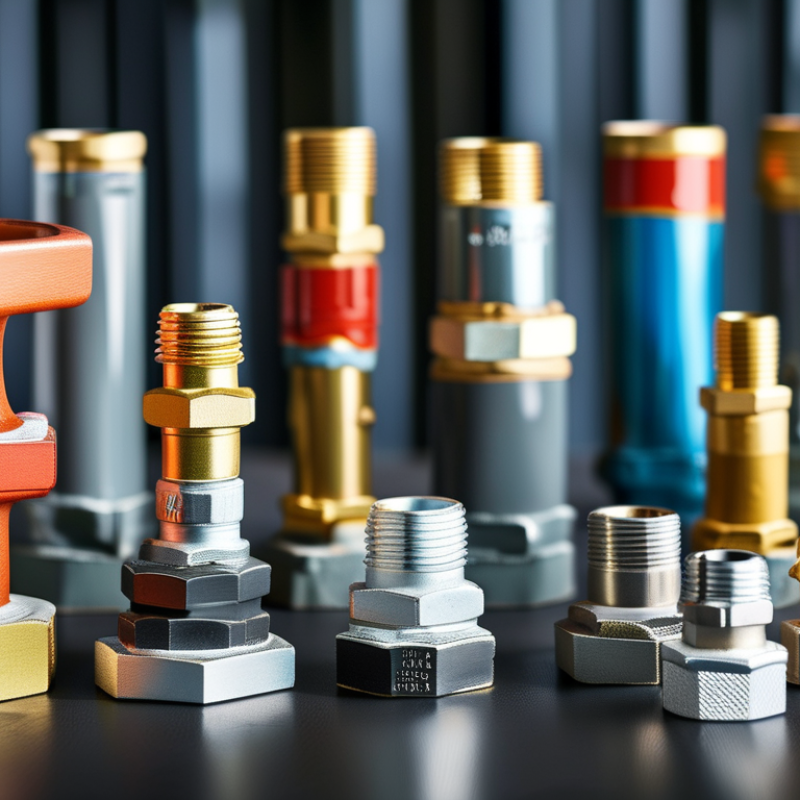
Overview of Pipe Fitting Types and Their Applications
Pipe fittings are essential components in plumbing and piping systems. They connect different pipes, control flow, and improve system efficiency. Understanding the types of pipe fittings available allows procurement professionals to make informed decisions. Here’s an overview of common fitting types and their applications.
First, consider elbow fittings. They are used to change the direction of a pipe. You can find them in various angles, from 90° to 45°. Tees allow for branching, connecting three pipes, which is useful in complex systems. Couplings connect two pipes directly for a seamless flow. Each type has a specific purpose, so understanding these can streamline sourcing.
**Tip:** Focus on material compatibility. The fitting material should match the pipes to prevent leaks and system failures.
Another important fitting type is the reducer. This fitting adjusts the pipe diameter, accommodating different flow requirements. Adapters transition between dissimilar pipe materials. Depending on the project, the right selection can save time and costs.
**Tip:** Always consider system pressure and temperature ratings when choosing fittings.
Fittings often forget to get the attention they deserve. A poorly chosen fitting can lead to leaks and inefficiencies. Regular reviews of pipe fitting performance can highlight areas for improvement.
Key Factors in Choosing the Right Pipe Fittings for Procurement
When selecting pipe fittings for procurement, there are key factors to consider that can significantly impact project success. First, material compatibility is crucial. Choosing the wrong material can lead to corrosion and leaks. Reports indicate that fittings made from stainless steel outperform those made from PVC in longevity by up to 40% in certain applications. Ensuring that materials meet specific industry standards enhances reliability.
Another important factor is the size and dimension of the fittings. An improper fit can compromise the entire piping system. According to industry surveys, nearly 20% of pipe fitting failures stem from sizing issues. Furthermore, it's essential to evaluate the intended application. Fittings designed for high-pressure systems may not work effectively in low-pressure environments. A lack of attention to pressure ratings can spiral into costly repairs, which could have been avoided with proper forethought.
Finally, consider the supplier’s credentials. Working with reputable suppliers who provide quality assurance documentation can mitigate risks. Reports suggest that suppliers with ISO certification exhibit a 25% lower defect rate. While many organizations overlook supplier reliability, this oversight can lead to significant procurement pitfalls. Ensuring careful consideration of these elements can result in a more effective procurement strategy.
Comparison of Material Types in Pipe Fittings: Pros and Cons
When selecting pipe fittings, material choice is crucial. Different materials possess unique advantages and drawbacks. For instance, PVC is lightweight and resistant to corrosion. It is ideal for low-pressure systems but not for high temperatures. Copper fittings are durable and offer excellent thermal conductivity. However, they can be expensive and prone to corrosion in acidic environments.
Stainless steel fittings bring strength and longevity. They can withstand extreme temperatures and pressures. Yet, they tend to be heavier and might require special tools for installation. On the other hand, cast iron fittings are strong but can rust and may not work well in all applications. This necessitates considering the environment where the fittings will be used.
Ultimately, weighing these factors is vital for effective procurement. Some materials are better suited for specific applications than others. Neglecting to match the right material with the project requirements may lead to failures. This is an area where reflective thinking is essential. Always consider the project's long-term needs against the material properties.
Top 10 Pipe Fitting Types to Boost Your Procurement Strategy
| Pipe Fitting Type | Material Type | Pros | Cons |
| Elbow | PVC | Lightweight, Low cost | Brittle at low temperatures |
| Tee | Copper | Corrosion resistant, Ductile | Expensive, Requires soldering |
| Reducer | Stainless Steel | High strength, Durable | Higher cost, Heavy |
| Cap | Cast Iron | Very durable, Noise reducing | Heavy, Prone to rust |
| Coupling | Aluminum | Lightweight, Good strength | Less corrosion resistant |
| Union | Brass | Good corrosion resistance, Attractive | Costly, Not for high pressure |
| Cross | PE (Polyethylene) | Flexible, Lightweight | Not suitable for hot water |
| Plug | Nylon | Chemical resistant, Lightweight | Lower heat resistance |
| Bend | HDPE (High-Density Polyethylene) | Resistance to many solvents, Flexibility | Not UV resistant |
Top 10 Essential Pipe Fitting Types for Efficient Supply Chain Management
When it comes to efficient supply chain management, understanding various pipe fitting types is crucial. Each type serves a specific purpose, impacting the overall efficiency of the procurement strategy. For instance, elbows redirect pipe flow, while tees allow for branching. These components can prevent bottlenecks by enabling smooth transitions.
Moreover, couplings and reducers are essential in connecting pipes of different sizes. They maintain flow and minimize leaks. A focused approach on these fittings can optimize procurement strategies. However, assessing inventory levels can be challenging. Misjudgments can lead to delays or excess stock. It’s essential to regularly evaluate supply needs based on usage patterns.
Additionally, understanding the nuances of fitting materials is vital. Metal fittings offer strength, while plastic variants provide flexibility. Each has its pros and cons. Choosing the right type requires careful consideration. Evaluate not just the immediate needs, but also future project demands. A proactive strategy can enhance supply chain resilience, yet it requires ongoing reflection and adaptability.
Emerging Trends in Pipe Fitting Design and Technology for Procurement
Emerging trends in pipe fitting design are reshaping procurement strategies. The rise of sustainable materials is notable. More manufacturers are adopting eco-friendly practices. This shift contributes to reducing environmental impact. It also meets increasing market demands for greener products.
Smart technology integration is another game changer. Data analytics and IoT monitor pipe performance in real-time. This technology can preemptively address failures, lowering maintenance costs. However, implementation can be complex and may require specialized training. Understanding this technology is essential for maximizing its benefits.
3D printing is gaining traction within the industry. It allows for faster production of custom fittings. While this boosts efficiency, quality control remains a concern. Procurement strategies must adapt to these innovations. Flexibility in sourcing and adapting to change is crucial. Embracing new trends may not always yield immediate results, but long-term benefits are likely.