Best Anderson Plug Terminals Manufacturers in China
Choosing a reliable supplier for Anderson Plug Terminals in China takes more than comparing prices. Buyers should look closely at contact materials, current ratings, plating, housing compatibility, and crimp consistency. Small differences can affect heat buildup, connection stability, and service life. Ask for clear specifications and inspection records. Useful details include terminal dimensions, wire-size range, and test methods. Samples reveal more.
Chinese manufacturers may offer OEM production, custom packaging, or multiple terminal designs, but stated capabilities need verification. Compare samples with the intended connector housing and wire before placing a large order. Ask how the factory manages quality checks, batch traceability, lead times, and technical questions. A polished catalog is not proof. Even a detailed specification can leave room for a mismatch, so confirm the fit and application requirements yourself.
This guide introduces manufacturers and practical points for assessing them. It considers product range, production capability, quality documentation, and communication—not just headline pricing. Some supplier information may be difficult to compare directly, and that deserves attention. A low quote can look attractive while leaving important details unclear. Careful questions help buyers make a more informed shortlist and avoid assumptions that are hard to correct after an order is placed.
Understanding Anderson Plug Terminals and Their Key Features
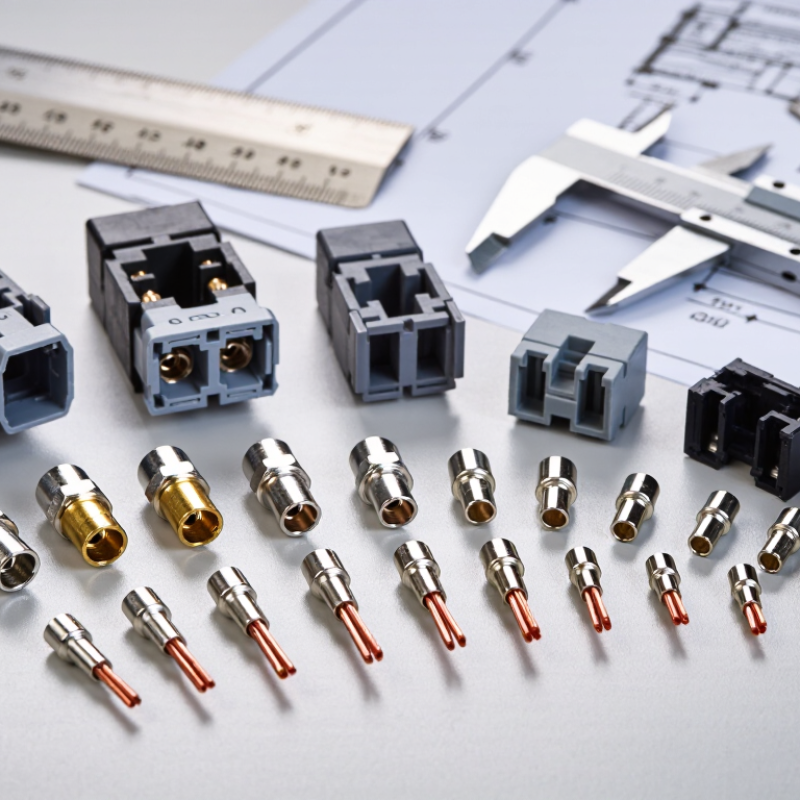
Anderson-style plug terminals join high-current cables through paired contacts and a keyed housing. The shape helps prevent reversed connections. Common designs use copper-alloy contacts for conductivity and a spring mechanism to maintain contact pressure. The housing also helps shield the contacts from dust, impact, and accidental bridging. Not just appearance.
Selection starts with the actual load, cable size, and operating temperature. A terminal’s current rating depends partly on those conditions, not just its physical size. Check that the cable fits the contact barrel, then verify the crimp with a proper tool and inspect for loose strands. A rating can mislead. A poor crimp may heat up under load, even when the connector looks secure.
Grand View Research reported that the global electrical connectors market reached USD 84.88 billion in 2023, with a projected 5.6% compound annual growth rate from 2024 to 2030. That broad market figure reflects demand across many applications; it does not measure plug-terminal quality. Buyers should compare contact material, rated current, cable compatibility, and housing temperature limits. One detail is easy to miss: repeated mating can wear contacts, so inspect them periodically and replace damaged parts. I would not treat a printed rating as a substitute for checking the connection under its intended conditions.
How to Evaluate Anderson Plug Terminal Manufacturers in China
When evaluating plug terminal manufacturers in China, look beyond product photos and quoted unit prices. Ask for drawings that specify terminal dimensions, plating thickness, wire range, and recommended crimp height. Compare those details with samples from the same production lot. Small differences matter. Check contact resistance and temperature rise under a stated current, not an undefined “high-load” claim. Have test conditions recorded, including cable size, ambient temperature, and measurement method.
A capable supplier should explain how copper alloy, surface finish, and tooling affect conductivity and pull-out strength. Request material certificates, inspection records, and traceable lot codes; verify that the records match the sample labels. Consider a factory audit when order volume justifies it. Check incoming-material inspections, crimping controls, calibration dates, and handling of nonconforming parts. Paperwork can look neat. Ask operators to demonstrate the actual inspection steps, rather than relying only on a presentation.
Before a larger order, agree on a pilot run and acceptance criteria for fit, insertion force, and dimensional variation. Confirm how tooling changes, material substitutions, and delivery delays are communicated. A low quote may exclude testing or stable process controls, so compare the full specification and support terms. No audit removes every risk. Keep an approved sample and recheck later shipments, especially after a material or tooling change.
Leading Anderson Plug Terminal Manufacturers in China
China’s leading Anderson plug terminal manufacturers serve vehicle, battery-storage, and industrial power applications. The IEA’s Global EV Outlook 2024 projected nearly 17 million electric-car sales worldwide in 2024, exceeding one-fifth of new car sales. This is a demand signal, not a direct forecast for plug terminals. Buyers should compare suppliers on copper-alloy consistency, contact resistance, plating thickness, and traceable batch inspection.
A capable factory should provide drawings, material certificates, crimp-pull results, and temperature-rise test records for the offered terminal. Ask how it controls die wear and checks finished contacts; small variations can cause loose crimps or localized heating. Request samples from routine production, not specially prepared samples. One detail is easy to overlook: confirm whether the quoted current rating applies to the terminal alone or the complete connector assembly.
Tips: Specify wire gauge, operating current, ambient temperature, and mating-cycle needs before requesting quotations. Ask for test conditions and acceptance limits in writing. A neat datasheet helps, but it cannot replace repeatable test evidence.
Comparing Manufacturers by Quality, Customization, and Service
When comparing Anderson plug terminal manufacturers in China, look beyond a clean catalog. Ask how they control terminal dimensions, plating thickness, and contact resistance across production batches. Request inspection records and a sample lot, then check crimp fit with your actual wire gauge. Small details matter. A terminal that looks sound may still loosen under vibration.
Customization should solve a defined fit or performance problem, not merely add options. Share drawings, target current, cable size, and operating conditions before requesting a quote. A capable supplier can explain which changes affect tooling, lead time, or testing. Ask for a prototype and confirm dimensions before approving volume production. Custom work can help, but it can also add cost without improving the connection.
Service quality shows in the answers after the first inquiry. Check whether technical staff respond clearly to questions about materials, tolerances, packaging, and production schedules. Ask how defects are documented and handled; vague promises are difficult to verify. A low quote may be attractive, yet incomplete test data can make comparisons unfair. It is easy to overvalue a polished brochure. Keep a simple scorecard, and note where evidence is missing, even when the supplier seems responsive.
How to Select a Supplier for Your Application and Requirements
Selecting an Anderson plug terminal supplier in China starts with the actual working conditions, not a catalogue photo. Record the system voltage, expected current, wire size, and duty cycle. A terminal used in a compact battery enclosure may face heat and vibration that a workshop test does not reproduce. Small details matter.
Ask suppliers how they control contact dimensions, plating thickness, and crimp consistency across production batches. Request material specifications and inspection records, then compare them with your application requirements. Ask for evidence. A sample should fit your cable and housing without forcing the contact or leaving visible gaps. Test the assembled connection under realistic load and temperature conditions before approving volume production.
Communication is part of supplier quality. Send a drawing, cable specification, and annual quantity estimate, then check whether the quotation clearly states tolerances, packaging, and lead time. Confirm how changes to tooling or materials are reported. Some suppliers answer quickly but provide vague test details; that is worth questioning, even when the sample looks fine. I would also keep a written record of open issues, since assumptions made during sourcing can become expensive later.