Top 10 Benefits of Using a CNC Lathe Machine for Your Business?
The Cnc Lathe Machine has transformed manufacturing processes across industries. According to a recent report by MarketsandMarkets, the global CNC machine market is projected to reach $100 billion by 2025. This growth indicates the increasing importance of precision and efficiency in manufacturing.
Expert Anna Rodriguez, a renowned industry analyst, emphasizes, "Investing in CNC lathe technology is crucial for staying competitive." As businesses strive for higher productivity, CNC lathes offer unmatched advantages. Their ability to create complex components with precision sets them apart from traditional machining methods.
However, while the benefits are substantial, companies must also consider initial investment costs and skilled labor requirements. The potential return on investment can be significant, but it's essential to weigh these factors carefully. Balancing these aspects can help businesses fully leverage the power of CNC lathe machines.
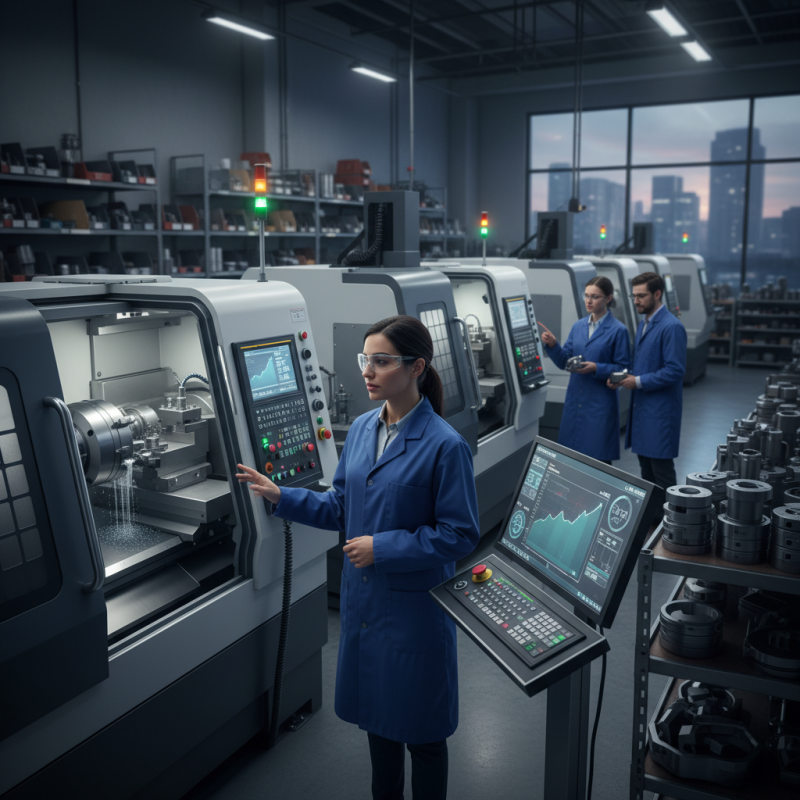
Advantages of Enhanced Precision with CNC Lathe Machines
CNC lathe machines offer enhanced precision that can transform your manufacturing processes. According to industry reports, these machines can improve production accuracy by up to 25%. This level of precision means fewer defects and a higher quality of finished products. Many businesses see a significant decline in waste materials, saving costs and contributing to a more sustainable production model.
Tip: Regular maintenance of CNC lathe machines is crucial for maintaining precision. Schedule routine checks to prevent minor issues from escalating.
The adaptability of CNC lathe machines also plays a role. They can work with various materials—metals, plastics, and composites. While they excel in precision, programming these machines can be complex. Operators may need extensive training to maximize their potential. Ensuring your team is well-versed in machine operation can mitigate potential setbacks.
Tip: Invest in training programs for your staff to keep their skills updated. A knowledgeable team can maximize the benefits of your CNC equipment.
Enhanced precision in machining allows for innovation. Businesses gain the ability to create intricate designs that were once impossible. Yet, this advancement requires constant evaluation. A failure to adapt to new technologies can lead to stagnation. Continuous improvement is necessary in this competitive landscape.
Increased Production Speed through Automation and Efficiency
CNC lathe machines are transforming the manufacturing landscape by enhancing production speed significantly. These machines automate repetitive tasks, allowing businesses to focus on innovation. By using CNC technology, production cycles can be reduced dramatically. This results in higher output rates, meeting customer demands more efficiently.
With automation, the margin for error decreases. Components are produced with high precision consistently, minimizing the need for extensive rework. However, relying heavily on automation can lead to potential skill gaps in the workforce. Employees may struggle to adapt to less hands-on tasks and could feel disconnected from the process.
Moreover, while CNC lathes improve efficiency, initial setup and programming can be complex. It requires skilled operators to program and maintain these machines. Mistakes in setup can lead to costly delays. Therefore, ongoing training and support are essential for maximizing the benefits of CNC technology. Balancing automation with human oversight is vital for long-term success.
Cost Savings from Reduced Material Waste and Labor Costs
Using a CNC lathe machine can lead to significant cost savings for businesses. These machines are designed to minimize material waste. Traditional machining often results in leftover scraps. CNC lathes can streamline processes and use materials more efficiently. As a result, less raw material is needed for production.
Labor costs also see a reduction with CNC technology. These machines operate with high precision and require fewer manual interventions. Workers spend less time monitoring and adjusting machinery. Fewer errors lead to less rework, saving both time and money. However, training employees to operate these machines is essential. Without proper knowledge, businesses may struggle to realize the full potential of these machines.
In addition to cost benefits, businesses may face challenges. Initial investment in CNC technology can be high. Companies must analyze their budgets carefully. Transitioning from traditional methods to CNC can create confusion. This shift may require changes in workflow and staff roles. Engaging with these realities can lead to better planning and use of resources.
Versatility in Manufacturing a Wide Range of Components
CNC lathe machines are increasingly popular in today's manufacturing landscape. Their versatility is a significant advantage for businesses. These machines can create a wide range of components, from simple to complex designs. Various industries benefit from this flexibility, whether in aerospace, automotive, or medical manufacturing.
The ability to produce intricate parts with precision is a game-changer. For instance, a CNC lathe can create shafts, gears, and intricate brackets. Each piece can be customized easily, saving time and labor costs. However, there can be challenges in programming and setup. If operators are not skilled, mistakes may occur. This can lead to waste and delays.
It's essential to balance speed with accuracy. While CNC lathes deliver rapid production, they require careful monitoring. A small error can affect the entire batch. Ensure your team has proper training for optimal results. By addressing these potential pitfalls, you can fully leverage the versatility of CNC machines for your manufacturing needs.
Improved Flexibility for Customization in Design and Production
CNC lathe machines are revolutionizing how businesses approach design and production. They offer remarkable flexibility, enabling companies to create custom parts with precision. According to a recent industry report, 75% of manufacturers who utilize CNC technology have seen increased efficiency in their operations. This flexibility is crucial in a market where customization is often a key selling point.
Design adaptation becomes significantly easier with CNC lathes. These machines can quickly switch between different designs without extensive downtime. Businesses can produce small batches of customized products at lower costs. As a result, 68% of surveyed manufacturers reported a faster turnaround time for custom orders.
Tip: Always communicate clearly with your CNC operators. Providing detailed specifications can lead to better outcomes.
The ability to tweak designs on-the-fly can improve competitiveness. However, challenges remain. Not every operator may be fully trained on all functionalities. Continuous training is vital to maintain efficiency.
Tip: Invest in regular employee training sessions. Keeping your team updated on the latest CNC techniques can lead to innovations in design.
With these capabilities, CNC lathe machines reshape production lines. They blend customization with efficiency, but businesses must reflect on operational gaps to maximize potential.