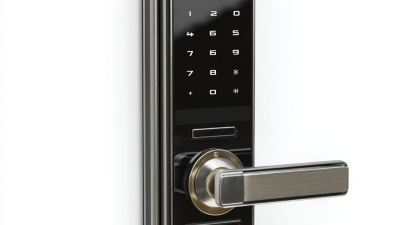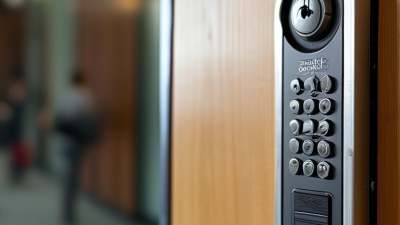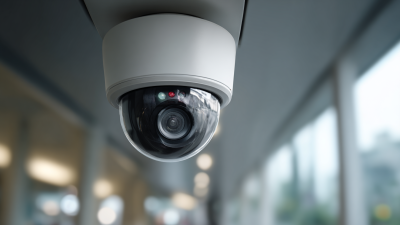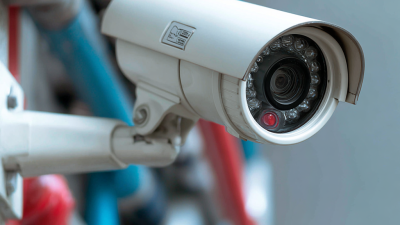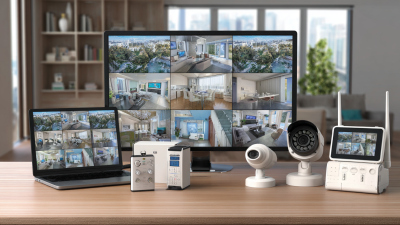
Choosing a Door Access System is no longer only about unlocking a door. It now involves identity, data security, visitor flow, and operational continuity. A glass entrance may use mobile credentials, an RFID card reader, or facial recognition within seconds. Yet the best technology can still fail when enrollment is confusing or backup power is ignored.
Industry reports show strong and uneven growth. MarketsandMarkets estimates that the global access control market could grow from about USD 8.6 billion in 2024 to USD 12.8 billion by 2029. Fortune Business Insights reports different figures, but also identifies cloud platforms, biometrics, and smart buildings as major drivers. The gap between these estimates deserves attention. Market definitions are not always consistent.
Ray Bernard, a recognized physical-security consultant and author, offers a practical principle: “Access control should support business operations, not obstruct them.” That idea helps frame this comparison of leading China Door Access System brands, including Hikvision, Dahua, ZKTeco, and Suprema. Readers should examine more than price. Check OSDP support, mobile credential options, offline operation, audit logs, API compatibility, and local service capability. A low-cost terminal may look attractive on paper. Its long-term maintenance cost may tell a different story.
No single brand fits every building. A factory needs rugged hardware and reliable shift records. A hotel may prioritize temporary mobile passes. A small office might need simple cloud administration. The ranking should remain flexible, because specifications, software policies, and regional support can change quickly.
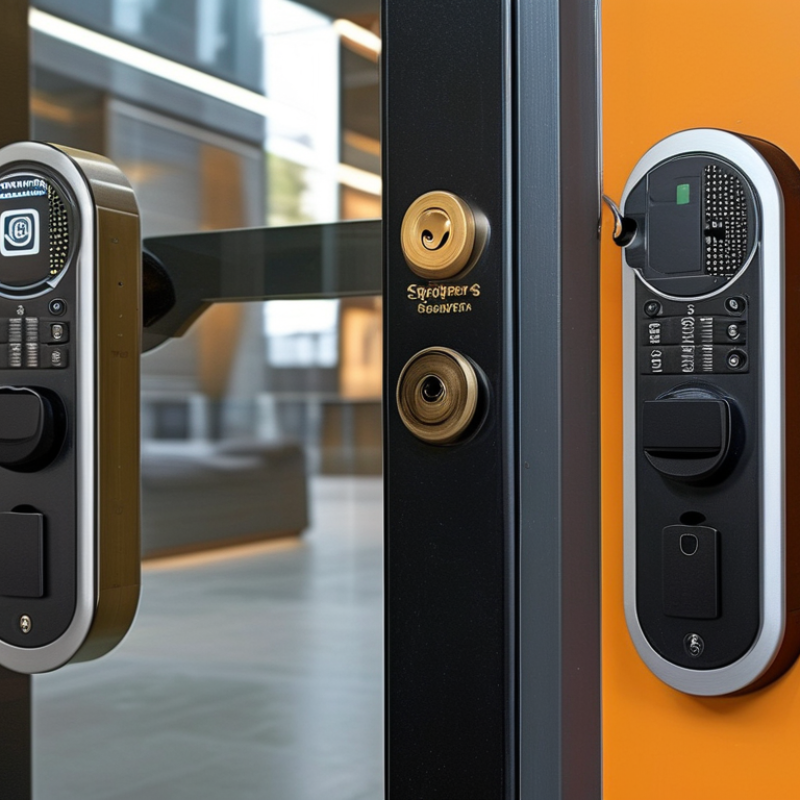
A door access system controls who may enter a room, when they may enter, and which doors they can use. In China’s security market, these systems commonly serve offices, factories, schools, hospitals, and apartment buildings. The main parts include a reader, controller, electronic lock, power supply, exit button, and management software.
A user presents a card, PIN, fingerprint, or mobile credential. The reader sends the information to the controller. The controller checks permission against stored rules. If access is approved, it signals the lock to release. You may hear a small relay click. A green light usually confirms entry. If access is denied, the door remains locked, and the event can appear in an audit record.
Good system selection requires more than checking reader prices. I have found that door type, traffic volume, wiring distance, and emergency procedures affect daily performance. A glass office door may need a different lock from a heavy steel factory door. Network failure also matters. Local processing can keep approved access working during a short outage. However, poor power planning may still stop the entire system. That detail is easy to overlook.
Reliable suppliers should provide clear technical documents, tested components, software updates, installation guidance, and responsive maintenance. Ask how credentials are protected and how records are retained. Privacy requirements differ by location. Fingerprint systems also need careful consent and data handling. No system is perfect. A practical design leaves a safe exit route, keeps manual release available, and supports future expansion without replacing every controller.
A leading China door access system brand is defined by more than a competitive price. In real installations, reliability begins with stable readers, durable locks, and controllers that tolerate dust, humidity, and frequent use. A system should support clear user permissions, event records, and secure communication between devices. Small details matter. For example, a reader that responds quickly reduces queues at a busy factory entrance. A backup power option also helps maintain controlled access during short outages.
Professional engineering separates a dependable supplier from a basic equipment seller. Product documentation should explain wiring, network requirements, firmware updates, and failure procedures in plain language. Independent testing and recognized quality certifications can provide useful evidence, but certificates should never replace practical testing. Installers should check the system with wet fingers, weak network signals, repeated entry attempts, and emergency release procedures. That work reveals weaknesses early. Sometimes, specifications look impressive but hide poor software design.
Strong technical support is another defining factor. Fast answers, spare parts availability, remote guidance, and trained local technicians can reduce downtime after installation. Data protection also deserves careful attention, especially when systems handle identity information or entry histories. Access roles should be adjustable, records should be protected, and unnecessary data should not be stored. A leading brand should communicate limitations honestly. No system is perfect, and buyers should question unclear claims before making a long-term investment.
A brand-neutral procurement framework for evaluating door access system suppliers.
The weighting reflects practical purchasing priorities: cybersecurity and dependable operation protect people and facilities, while interoperability, compliance, lifecycle support, and total cost influence long-term deployment success. These are evaluation weights, not company or market-share data.
China’s most recognized door access system brands are usually judged by field performance, not advertising alone. Installers often look for stable controllers, responsive fingerprint readers, and clear software menus. A reliable system should unlock within seconds and record every event accurately.
Several Chinese manufacturers have earned attention through broad product ranges and strong export networks. Their systems commonly include facial terminals, RFID readers, smart locks, visitor panels, and cloud management tools. Recognition also comes from certification, local technical support, and compatibility with elevators, time attendance, and video surveillance. These details matter in offices, factories, schools, and apartment buildings.
Real experience can reveal weaknesses. Some suppliers provide excellent hardware but confusing manuals. Others offer polished software, yet firmware updates may arrive slowly. No manufacturer performs perfectly in every project. Buyers should test readers under poor lighting, wet fingers, network interruptions, and heavy daily traffic. Ask for wiring diagrams, replacement policies, and long-term support before signing an order. A low purchase price can become expensive when spare parts, training, or integration are overlooked. Reliable brands usually explain these limits openly, even when the answer is inconvenient.
China’s leading door access system brands compete less on reader design than on deployment reliability. MarketsandMarkets projects the global access control market to grow from about USD 9.3 billion in 2023 to USD 14.6 billion by 2028. That growth raises buyer expectations in factories, offices, hospitals, and apartment buildings.
The strongest Chinese suppliers usually differ in four areas: authentication range, platform integration, service coverage, and lifecycle cost. Some offer facial, card, PIN, mobile, and visitor credentials in one platform. Others focus on fast installation and simpler maintenance. A practical test matters more than a polished brochure. Ask how quickly a replacement controller arrives. Check whether the system keeps working during network interruptions. Examine audit logs on a real screen.
Security architecture deserves close attention. The 2024 Verizon Data Breach Investigations Report found that the human element remained involved in many breaches, making permissions and administrator controls essential. Leading suppliers now provide role-based access, encrypted communication, event alerts, and detailed records. Yet feature lists can mislead. More functions may create more configuration errors.
Interoperability is another dividing line. Omdia’s smart building research highlights growing demand for connected building platforms, rather than isolated devices. Buyers should verify support for common protocols, directory services, video systems, and emergency procedures. Independent testing is valuable. So is a site visit.
Performance claims still need skepticism. A vendor may advertise near-perfect recognition, but lighting, masks, camera placement, and crowd flow change results. Even respected suppliers can underperform when installation is rushed. Cost comparisons should include licenses, training, batteries, repairs, and software updates, not only the door reader price.
Choosing a China door access brand requires more than comparing unit prices. Start with the building’s actual needs. A small office may need card readers, mobile credentials, and visitor records. A factory may require dust resistance, offline operation, and emergency power. Ask for test reports, warranty terms, and documented installation guidance. Vague promises deserve caution.
Check whether the system works with existing locks, software, elevators, and attendance tools. Confirm communication standards before ordering samples. Review encryption options, administrator permissions, audit logs, and firmware update procedures. Request a live demonstration using your network conditions. Test it onsite. A polished showroom test can hide weak performance at a metal gate or in poor weather. Independent certifications add confidence, but verify their scope and validity.
Supplier support often matters more than a low quotation. Ask how quickly spare readers, controllers, and batteries can arrive. Clarify remote support, training, and repair responsibilities in writing. Speak with comparable users, not only supplied references. I would also run a small pilot before full deployment. It costs time, and I have sometimes underestimated that cost. Still, pilots expose cabling errors, confusing interfaces, and unreliable fingerprint recognition early. Leave room for replacement and future expansion. The cheapest system may become expensive when every upgrade needs custom work.
By continuing to use the site, you agree to the use of cookies. more information
The cookie settings on this website are set to "allow cookies" to give you the best browsing experience possible. If you continue to use this website without changing your cookie settings or you click "Accept" below then you are consenting to this.