Top 10 Commercial Door Entry Systems for Global Buyers
Choosing among the Top 10 Commercial Door Entry Systems for Global Buyers requires more than comparing prices and glossy specifications. A reliable entry solution must match the building, traffic volume, climate, and local access requirements. A busy warehouse may need fast badge authentication, while a medical clinic may prioritize audit trails and controlled visitor access. Small details matter. Readers should examine reader response time, credential compatibility, door hardware, power backup, and software integration before approving a purchase.
This guide evaluates Commercial Door Entry Systems through practical performance, installation experience, security features, maintenance demands, and supplier credibility. Evidence should come from published technical data, tested product performance, warranty terms, and support availability in the target region. A system that performs well in a dry office may struggle near a humid loading dock. That assumption is too easy. Global buyers also need to confirm language support, replacement-part access, data protection practices, and compatibility with existing security infrastructure. No single platform wins everywhere. Each selection involves trade-offs between convenience, resilience, cost, and long-term management. Some products appear advanced but create unnecessary complexity for smaller teams. Others look basic yet deliver dependable daily access. The following comparison highlights where each system fits best, what limitations deserve attention, and which buying questions can prevent expensive surprises. Results may vary by site, installer, and operating conditions. Careful verification remains essential.
What Commercial Door Entry Systems Are and How They Work
Top 10 Commercial Door Entry Systems for Global Buyers
What Commercial Door Entry Systems Are and How They Work
Commercial door entry systems control who can enter, when access is allowed, and how events are recorded. A typical setup combines a credential reader, door controller, electric lock, exit device, and management software. Credentials may include cards, mobile passes, PINs, or biometric templates. The reader sends identity data to the controller, which checks permissions before releasing the lock.
The process takes seconds. A server-room reader may deny access outside approved hours, while a warehouse entrance can record every authorized opening. Audit logs support investigations, maintenance, and occupancy reviews. However, software alone cannot secure a weak door, poor wiring, or an unprotected emergency exit. That assumption fails in real buildings.
Market data shows why demand is growing. MarketsandMarkets estimates the global access control market will rise from about $10.3 billion in 2023 to $15.2 billion by 2028, at an 8.1% compound annual growth rate. Grand View Research also identifies cloud administration and connected devices as major growth drivers. These figures cover wider access control, not only commercial doors, so buyers should avoid treating them as exact door-system forecasts.
For global projects, check power standards, fire-safety requirements, privacy rules, and offline operation. A practical test matters. Disconnect the network, present an expired credential, and trigger the emergency release. The system should behave predictably. Some installations still overlook this step. That is a costly weakness.
The Main Types of Commercial Door Entry Systems
Commercial door entry systems differ by traffic, risk, and staffing needs. From site assessments, I have found that one entrance rarely serves every user well. Mechanical key systems remain simple and independent. Keypad systems use PINs, while RFID card readers support quick employee access. Mobile credentials use Bluetooth or NFC through approved devices. Each option needs clear ownership for lost keys, cards, or phones.
Biometric readers identify fingerprints, faces, or irises. They can improve accountability, but privacy controls and enrollment quality matter. Video intercom systems let reception staff verify visitors before release. Wireless locks reduce cabling in older buildings, although battery checks cannot be ignored. Cloud-managed systems allow remote permissions, event logs, and schedule changes. That convenience depends on reliable networks and disciplined account management.
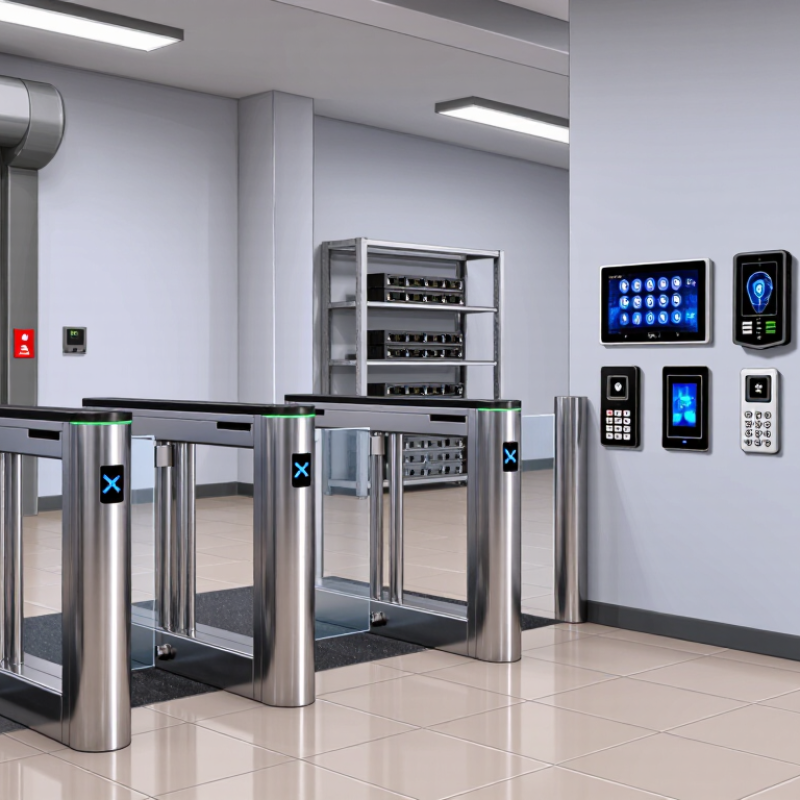
Other commercial types include standalone controllers, elevator-linked access, and turnstile entry. Standalone units suit small offices with limited doors. Elevator integration restricts floor access after a valid credential. Turnstiles help manage crowded lobbies, but emergency egress planning must remain practical. A professional selection process checks door hardware, fire requirements, user volume, and maintenance skills. I would not choose a system from a feature sheet alone. Real doors sag. Readers get dirty. Staff forget procedures. That imperfect reality should shape training, testing, and replacement budgets.
Top 10 Commercial Door Entry Systems for Global Buyers
The Main Types of Commercial Door Entry Systems
The chart compares representative planning capacities in doors per site. Standalone systems are generally suited to smaller installations, while networked, cloud-based, mobile, and integrated solutions can support larger multi-door deployments. Actual capacity depends on system architecture, controllers, network design, security requirements, and local regulations.
Key Features for Security, Access, and User Management
Top 10 Commercial Door Entry Systems for Global Buyers should be judged by security, access, and user management.
The strongest options include PIN, card, mobile credential, biometric, QR code, intercom, cloud-managed, visitor, elevator-linked, and multi-door systems.
Each should support role-based permissions, temporary credentials, audit trails, and rapid revocation.
The 2024 Data Breach Investigations Report found that human involvement remained present in most security incidents, making simple user controls essential. Clear screens and fewer steps can prevent costly mistakes.
Security also depends on administration. Look for encrypted communication, multi-factor authentication, offline operation, tamper alerts, and detailed event logs. The 2024 Cost of a Data Breach Report placed the average breach cost at 4.88 million dollars, although door access is only one part of that risk.
Integrating entry records with cameras and workplace systems improves investigation speed. Still, integration can create new weaknesses. A poorly configured interface may expose more data than it protects.
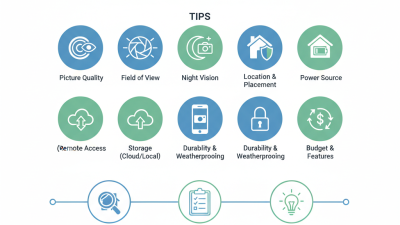
Tips:
Test each system during a busy morning, not only in a quiet showroom. Check whether staff can revoke a lost credential within minutes. Review accessibility, emergency exit procedures, local privacy rules, and offline behavior. Biometric systems can be convenient, but false rejections remain possible. Do not treat automation as perfect. Human review still matters.
How to Compare the Top Systems for Global Business Needs
Top 10 Commercial Door Entry Systems for Global Buyers
Comparing commercial door entry systems requires more than counting readers, cameras, or access points. Global buyers should examine how each system performs in different buildings, climates, and working cultures. During site evaluations, test doors at busy entrances, loading areas, and emergency routes. Record response times, failed credentials, and recovery steps. Small delays become noticeable during morning arrivals.
Check compatibility with existing locks, elevators, visitor tools, and security software. A system using open communication standards may reduce future replacement costs. Also review credential options, offline operation, multilingual interfaces, and mobile access performance. Remote administration matters when facilities span several time zones. However, central control should not remove local backup procedures. I have seen cloud-based setups struggle when connectivity became unstable. That weakness is easy to overlook.
Tips: Request a live demonstration. Test weak connectivity. Ask for maintenance records. Compare five-year costs, not just purchase prices. Review encryption, user permissions, audit trails, and regional data-handling practices with qualified advisers. Confirm training for local installers and facility teams. The perfect system does not exist. A carefully documented compromise may serve better than an impressive feature list. Also question optimistic uptime claims; real buildings are less predictable than brochures suggest.
Installation, Maintenance, Compliance, and Buying Considerations
For global buyers, ranking the top ten commercial door entry systems should begin with site conditions, not glossy features.
Installation teams should check door weight, frame alignment, power capacity, network coverage, and emergency release paths. A reader may work perfectly in a showroom but fail beside a metal gate or dusty loading bay. Test credentials during peak traffic. Record failure points.
Maintenance needs a written schedule. Inspect hinges, locks, sensors, cables, and backup batteries at least quarterly. Log every fault, response time, and replacement part.
Verizon’s 2024 Data Breach Investigations Report found that human involvement appeared in 68% of breaches. Therefore, access permissions need regular review, not just hardware servicing. IEC 60839-11-1 also supports structured planning for electronic access control performance and security.
Compliance varies by location.
Buyers should verify fire egress rules, accessibility requirements, privacy obligations, and electrical standards with qualified local professionals. Data minimization matters when systems store visitor identities or entry records. A 2024 Grand View Research assessment valued the global access control market at approximately USD 9.5 billion in 2023, showing strong demand but also intense product variation.
Compare lifecycle cost, offline operation, integration, warranty response, and cybersecurity controls. Ask for independent test evidence. Do not trust marketing claims alone. A perfect checklist is unrealistic. Even experienced teams can overlook user training, which often becomes the weakest part of deployment.