
Choosing a Grain Semi Trailer manufacturer in China involves more than comparing prices or polished product photos. Buyers need to examine the trailer’s structure, grain-handling features, production consistency, and after-sales support. Small details matter. A sealed body, smooth interior surfaces, secure rear doors, and practical discharge arrangements can affect loading, cleaning, and grain loss during transport.
This guide explains how to assess leading manufacturers using verifiable product information, manufacturing capabilities, and buyer-focused service criteria. Look for clear specifications on payload, body dimensions, axle configuration, braking systems, and corrosion protection. Ask for current drawings, material details, inspection records, and photographs of completed trailers. Check the evidence. A factory’s claims are useful, but they should be supported by documents and direct answers to technical questions.
Manufacturer suitability also depends on the operating conditions. Road quality, tractor compatibility, cargo volume, and local service access can change which design makes sense. Compare warranty terms, spare-parts availability, customization options, and delivery timelines before making a shortlist. Where possible, request references or arrange an independent inspection before placing an order. Public information cannot confirm every production detail, and even a strong supplier may not fit every fleet. Use the comparisons that follow as a starting point, then verify specifications and support arrangements directly with each manufacturer.
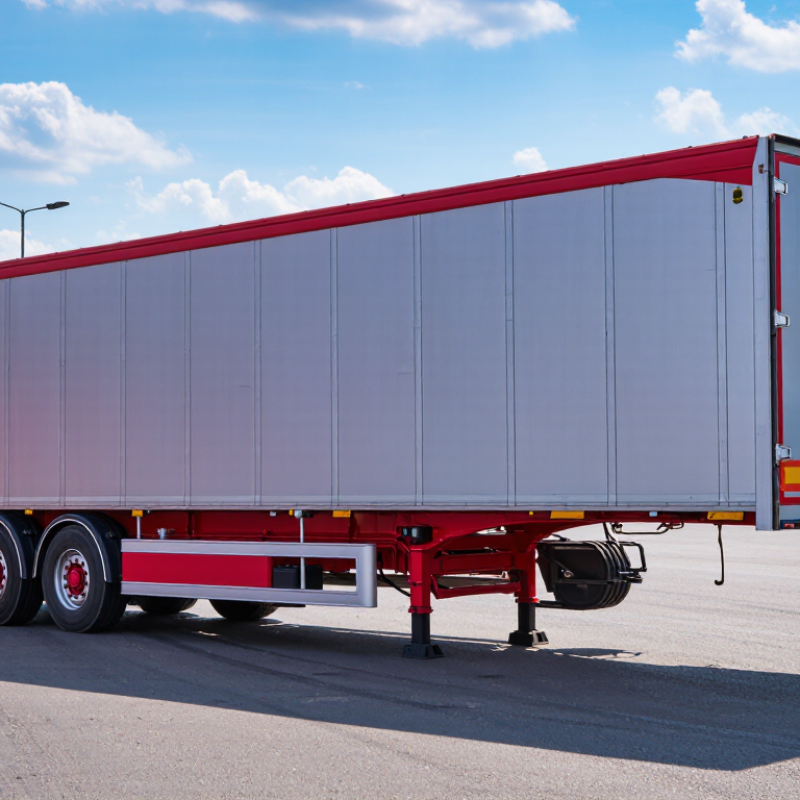
A grain semi trailer is a road trailer designed to carry loose crops such as wheat, corn, and rice. It couples to a tractor unit and usually has a large, enclosed body, top loading hatches, and bottom discharge gates. Some models use a tipping body; others unload through sliding gates into a receiving pit. The right setup depends on the route, loading equipment, and unloading site. It is used to move harvested grain from farms to elevators, mills, ports, or storage facilities. The scale is substantial: China’s National Bureau of Statistics reported 706.5 million tonnes of grain output in 2024, while FAO estimated global cereal production at about 2.85 billion tonnes that year. These figures show why reliable bulk transport matters.
In daily operation, a trailer may be loaded beneath a grain auger, weighed, then covered before travel. At the destination, the driver positions it over a pit or uses a tipping area to discharge the load. Simple details matter. A damaged hatch seal can let in rain; leftover kernels can contaminate the next load. Operators should check the body, gates, tarp, and load distribution before departure. Trailer capacity alone does not determine efficiency: road conditions, access to loading sites, and unloading time also affect each trip. A practical limitation is easy to overlook: a high-capacity trailer can become a bottleneck when the receiving pit is small or busy. FAO’s cereal outlook and the USDA Grain Transportation Report both underline how grain supply depends on connected transport stages, not just production.
China’s leading grain semi trailer manufacturers are best identified through evidence, not promotional claims. Start with product drawings, rated payload, axle configuration, and material specifications. Ask how the trailer protects grain from moisture, dust, and leakage during loading and transport. A clear answer should connect design choices to operating conditions, such as uneven farm roads or frequent unloading. Details matter.
Check manufacturing consistency through weld quality, frame alignment, coating coverage, and the fit of gates and seals. Request inspection records, load-test procedures, and traceable component information where available. Factory visits or live video walkthroughs can show whether assembly and quality checks are documented. After-sales support matters too: confirm parts availability, response times, and warranty scope in writing. No single test proves everything. Even a polished factory tour can leave gaps, so compare claims with records and customer references.
Tips:Use the same checklist for each supplier. Ask for photos of gate seals, floor joints, and discharge outlets, then compare them with the drawings. Verify dimensions and payload against your route and tractor. If an answer is vague, ask for a specific example. Small inconsistencies can matter.
Chinese grain semi-trailers are built by specialist trailer manufacturers and commercial-vehicle equipment companies. Many operate in established manufacturing areas, including Shandong, Hubei, and Henan. Their product ranges may include bulk-grain trailers, general cargo trailers, and custom configurations. Not every manufacturer has a dedicated grain model, so ask for drawings and a current specification sheet.
Compare companies by practical details, not catalogue photos alone. Check the body’s internal finish, discharge arrangement, axle configuration, and stated payload. Ask how the design limits grain residue around corners and gates. Request close-up photos of welds, hinges, and sealing points. A useful supplier should explain material choices and provide clear inspection records. Some details may differ between standard and custom builds; confirm them in writing.
Tips: Ask for the trailer’s empty weight, loading method, and cleaning access. Verify dimensions against your tractor and loading equipment. A quick video of the discharge process can reveal issues that a polished brochure misses.
Chinese grain semi-trailer manufacturers commonly offer enclosed bulk bodies, hopper-bottom designs, and tipping configurations. The right layout depends on loading equipment, unloading access, and the roads used. A hopper with well-positioned discharge gates can speed unloading at a grain facility. Tight seals also help keep rain and road dust away from the cargo.
Body materials vary. Steel can suit demanding work, while aluminum may reduce tare weight. Neither choice is automatically better; load type, maintenance capacity, and local operating conditions matter. Many trailers include a roll-over tarp, reinforced chassis, and multiple axles. Buyers should check weld quality, gate fit, and corrosion protection in person where possible. Small details matter.
Design options may include different body volumes, axle arrangements, suspension systems, and braking components. Some manufacturers can adapt dimensions or fittings to a fleet’s requirements, but customization should not compromise stability or payload limits. Ask for clear specifications and inspect sample builds. A brochure cannot show every weak point. Even a well-designed trailer needs regular checks of seals, tires, hinges, and discharge gates; grain can leak through a surprisingly small gap.
Typical bulk-density ranges help explain why grain semi-trailers are designed around cargo volume, secure covering, and efficient unloading. Values are approximate and vary with crop variety, moisture, and handling conditions; this is not a manufacturer comparison.
Design takeaway: Lower-density cargo occupies more trailer volume for the same payload mass. Manufacturers commonly offer volume options, weather-resistant covers, and discharge systems to suit different grain-handling needs.
Buyers should compare grain semi trailer manufacturers against the same written specification, not brochure claims. List payload, tare weight, body volume, axle configuration, discharge method, and sealing details. Then inspect weld consistency, floor thickness, corrosion protection, and access to replacement parts. Ask for material certificates and test records. A factory visit helps. Look closely at the discharge gates and seals; small gaps can let rain or dust reach the load.
Use independent data as context, not as proof of a trailer’s performance. FAO’s 2023 Food Loss Index estimated that 13.2% of food was lost after harvest and before retail in 2021. Transport is only one risk point, but moisture control and secure closures matter. Request a documented water-ingress test and confirm how the supplier checks welds and load-bearing components. Compare warranties, delivery timelines, and service response in writing. Ask to speak with recent customers operating similar routes and grain types. Their feedback may reveal practical issues that a specification sheet misses.
Finally, compare like with like. A lower quote may exclude spare tires, coatings, or delivery preparation. It happens. Check whether the quoted weight includes standard equipment, and confirm the scale method used. If possible, review a finished unit before shipment and record any changes in the purchase specification. No checklist removes all uncertainty; even a careful factory audit can miss problems that appear after months on rough roads.
There is no single universally applicable ranking: the best supplier depends on the destination market, required trailer configuration, operating conditions, and service support. Use the evidence below to compare manufacturers and verify claims against the specific model being quoted.
| Comparison Dimension | What to Check | Evidence to Request | Why It Matters |
|---|---|---|---|
| Grain-specific design | Confirm the trailer is designed for bulk grain handling, with suitable loading and discharge arrangements, covers, and sealing details for the intended operation. | Model drawings, loading and unloading description, hatch and outlet details, and photographs of the quoted configuration. | A general-purpose bulk trailer may not match a buyer’s grain-handling equipment or grain-loss prevention requirements. |
| Legal payload and volume | Compare rated payload and internal volume with local weight limits, cargo density, and route restrictions. The legal payload depends on the tractor, trailer, axle loads, and jurisdiction. | Technical specification sheet, dimensioned drawings, axle-load information, and confirmation of the intended market’s applicable requirements. | A larger stated capacity does not necessarily mean a higher legal load on the buyer’s routes. |
| Tare weight | Compare the documented empty weight for the same configuration, including axles, tyres, spare wheel, covers, and other supplied equipment. | A configuration-specific weight statement and, where available, a verified weighbridge record for a comparable unit. | Tare weight affects available payload under applicable gross and axle-weight limits. |
| Structure and materials | Check the specified steel grades, plate thicknesses, structural design, corrosion protection, and suitability for the intended climate and duty cycle. | Bill of materials, material certificates where applicable, coating or surface-treatment specification, and warranty terms. | Material and fabrication choices influence durability, maintenance needs, corrosion resistance, and weight. |
| Axles, suspension, and brakes | Compare axle ratings, suspension type, brake configuration, and compatibility with the buyer’s tractor and local regulations. | Component specifications, system diagrams, applicable compliance documents, and a list of included components. | These systems affect safe operation, roadworthiness, maintenance, and compatibility with the towing vehicle. |
| Manufacturing quality control | Assess documented checks for incoming materials, welding, dimensions, paint or coating, assembly, and final inspection. | Quality-control procedures, inspection records for a sample unit, and permission for a pre-shipment inspection. | A documented inspection process helps buyers evaluate whether production requirements are consistently checked. |
| Certifications and market compliance | Identify the rules that apply in the destination country; required approvals and technical standards vary by market and vehicle type. | Copies of relevant, current certificates or test reports, with the issuing body, covered model, and scope clearly identified. | A certificate is useful only when its scope and requirements match the vehicle and destination market. |
| Customization and configuration control | Check whether requested dimensions, outlets, covers, lighting, tyres, and other options are recorded in the final build specification. | A signed configuration sheet, approved drawings, and a change-control process for revisions after order confirmation. | Clear configuration records reduce the risk of misunderstandings between quotation and delivery. |
| Warranty and spare parts | Compare warranty coverage, exclusions, claim procedures, parts availability, and support arrangements in the destination market. | Written warranty terms, recommended spare-parts list, parts lead times, and contact details for after-sales support. | Support arrangements can affect downtime and the cost of maintaining the trailer over its service life. |
| Total delivered cost and schedule | Compare the same configuration and delivery terms, including transport, export packing, documentation, taxes or duties where applicable, and stated production lead time. | Itemized quotation, agreed Incoterms® rule and named place, production schedule, payment milestones, and validity period. | A headline unit price alone may omit costs or commercial conditions that change the delivered price. |
Practical selection tip: Send each shortlisted supplier the same written specification and request model-specific drawings, documents, and an itemized quotation. Compare verified evidence rather than general claims or price alone.
By continuing to use the site, you agree to the use of cookies. more information
The cookie settings on this website are set to "allow cookies" to give you the best browsing experience possible. If you continue to use this website without changing your cookie settings or you click "Accept" below then you are consenting to this.