Top 10 Pan Tilt Units for Surveillance and Robotics Solutions?
In the rapidly evolving realm of surveillance and robotics, the importance of a reliable Pan Tilt Unit cannot be overstated. These devices offer advanced maneuverability, enabling users to control cameras and sensors with precision. Their applications span various industries, from security monitoring to automated robotics. The functionality of a Pan Tilt Unit is not merely about movement; it involves technology that enhances situational awareness and operational efficiency.
While many products claim to offer superior performance, choosing the right Pan Tilt Unit can be overwhelming. Factors such as build quality, ease of integration, and software compatibility must be considered. Some units boast impressive features, yet they may fail to deliver consistent results in real-world conditions. Users often encounter issues with durability and user interface complexity. Therefore, understanding the key features and drawbacks of different units is essential for informed decision-making.
In this discussion, we will explore the top 10 Pan Tilt Units available today. Each selection will be evaluated based on criteria such as performance, value, and user feedback. Our aim is to provide insights that assist both professionals and hobbyists in making a sound choice. Engaging with these technologies requires discernment, as not all solutions will meet your needs effectively.
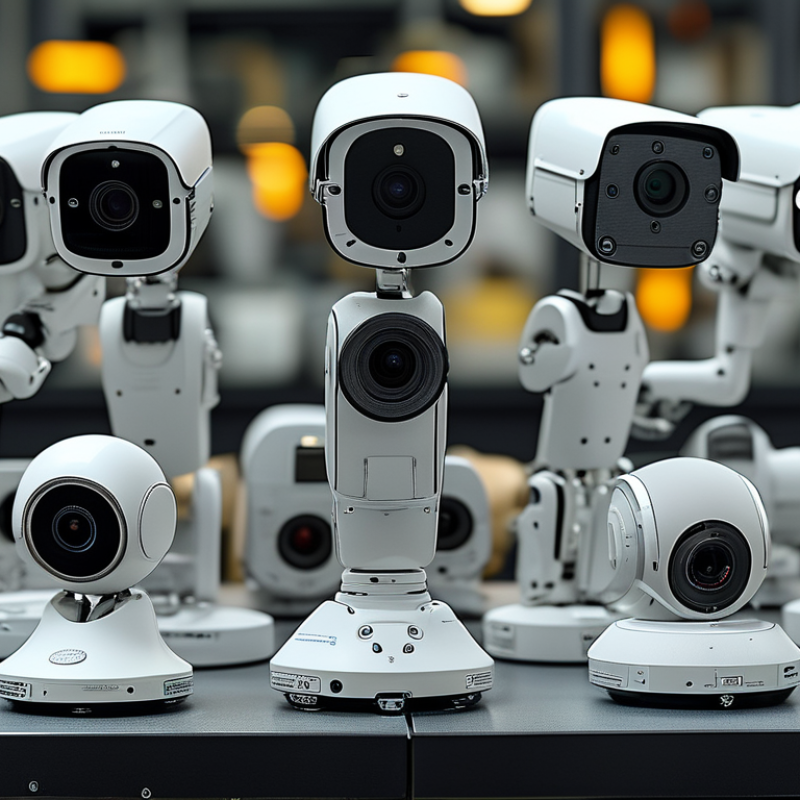
Top Features to Look for in Pan Tilt Units for Surveillance
When choosing pan tilt units for surveillance, several key features stand out. It's essential to prioritize stability and precision. A reliable pan tilt unit should offer smooth movements without jitter, enabling clear and consistent surveillance footage. Additionally, look for units with robust materials to withstand outdoor conditions.
Consider the unit's compatibility with various cameras and software. Flexibility ensures that the pan tilt unit can adapt to your specific surveillance needs. Many users overlook this aspect. A unit that does not integrate well can create unforeseen challenges.
Tips: Always check the weight limit of the unit. Overloading can cause failures. Monitor and adjust the placement frequently to optimize coverage. Remember, regular maintenance checks ensure longevity. Don’t ignore minor malfunctions; they could lead to bigger issues.
Applications of Pan Tilt Units in Modern Robotics
Pan tilt units (PTUs) have become essential in modern robotics and surveillance. Their ability to rotate and tilt cameras allows for wide-ranging observational capabilities. A recent market report indicates that the PTU market is projected to grow by 20% annually. This growth reflects the increasing need for effective surveillance systems in urban areas.
In robotics, PTUs enhance mobility and operability. They are widely used in automated drones, which depend on these units to track movements fluidly. The research highlights that PTUs can improve situational awareness in various applications, from industrial automation to environmental monitoring. For instance, when used in security systems, PTUs allow for optimized coverage of large areas, reducing blind spots.
However, challenges remain. Some PTUs may struggle with speed and precision in rapidly changing environments. This can lead to tracking issues, which might affect the reliability of data collected. Evaluating these shortcomings is crucial for developers. Continuous improvement and adaptive algorithms can enhance performance in dynamic settings. Furthermore, advancements in AI can help mitigate problems associated with fast-moving targets, making the integration of PTUs in robotics more effective.
Top 10 Pan Tilt Units for Surveillance and Robotics Solutions
| Model | Resolution | Pan Angle | Tilt Angle | Weight | Power Supply | Special Features |
| Model A | 1920 x 1080 | 360° | 90° | 2.5 kg | 12V DC | Night Vision |
| Model B | 1280 x 720 | 270° | 45° | 1.8 kg | 5V USB | waterproof |
| Model C | 2560 x 1440 | 180° | 60° | 3.0 kg | 24V AC | Motion Detection |
| Model D | 640 x 480 | 360° | 30° | 2.2 kg | 12V DC | Zoom Function |
| Model E | 1920 x 1080 | 270° | 90° | 1.7 kg | 5V USB | Heat Resistant |
| Model F | 3840 x 2160 | 180° | 75° | 4.0 kg | 24V AC | AI Integration |
| Model G | 1920 x 1080 | 360° | 90° | 2.5 kg | 12V DC | Remote Control |
| Model H | 1280 x 720 | 270° | 45° | 1.8 kg | 5V USB | Integration with Drones |
| Model I | 2560 x 1440 | 180° | 60° | 3.0 kg | 24V AC | 3D Mapping |
| Model J | 640 x 480 | 360° | 30° | 2.2 kg | 12V DC | Automatic Tracking |
Comparative Analysis of Market Leaders in Pan Tilt Technology
As interest in surveillance and robotics grows, Pan Tilt Units (PTUs) play a crucial role. These devices allow cameras and sensors to move fluidly, providing expansive monitoring capabilities. A recent report from IDTechEx highlighted that the PTU market is projected to reach $1.5 billion by 2028, driven by advancements in artificial intelligence and robotics. The reliability of these units is essential for effective surveillance applications. In urban settings, efficient PTUs can drastically enhance security measures.
Analyzing market leaders reveals varied performance metrics. Certain units boast resolution capabilities exceeding 4K, yet their price points may deter smaller operations. Meanwhile, others offer affordability but lack advanced features. A survey conducted by MarketsandMarkets indicated that 45% of users prioritize ease of integration over cost. However, some installations reveal compatibility issues, leading to challenges during implementation. This inconsistency can affect performance during critical surveillance activities.
Functionality and versatility are vital for robotics applications as well. High-precision PTUs enable drones to navigate complex environments. Yet, durability issues in extreme conditions remain a concern. According to a study from ResearchGate, nearly 30% of PTUs fail in harsh weather. Such insights emphasize the need for manufacturers to prioritize resilience. As technology evolves, embracing feedback from users will become essential. This approach could guide improvements and address current limitations.
Industry Trends: The Future of Surveillance with Pan Tilt Solutions
Surveillance technology is evolving rapidly. Pan tilt units (PTUs) are now at the forefront of this transformation. They allow users to control camera angles effortlessly, improving visibility and security. By integrating advanced sensors, PTUs enhance surveillance experience. They can track movement in real-time, providing critical data for monitoring.
Emerging trends show a growing demand for PTUs in robotics. As industries adopt automation, these units become essential. PTUs facilitate better site coverage and workflow efficiency. They allow robots to adapt to various environments. However, the technology is not without challenges. For instance, ensuring stability in adverse conditions remains a concern. Balancing precision and user-friendliness is another area requiring attention.
As the market grows, innovations continue to emerge. Future developments may focus on AI integration. This could lead to smarter surveillance systems that anticipate threats. Continuous improvements will drive the industry forward. The role of pan tilt units in surveillance will only expand. Yet, reflecting on these advancements is crucial for sustainable growth.
Top 10 Pan Tilt Units for Surveillance and Robotics Solutions
Performance Metrics: Evaluating the Best Pan Tilt Units on the Market
When evaluating pan tilt units for surveillance and robotics, performance metrics are crucial. These units need to provide precise movement, reliability, and responsiveness. A unit with smooth pan and tilt capabilities is essential for capturing detailed footage. Users often look for a model that minimizes lag and maximizes range of motion. Responsiveness impacts how quickly a camera can track movement.
Durability is another vital aspect. Units subject to harsh environments should withstand various conditions. Weather resistance ensures they operate effectively outdoors. However, not all units balance durability and performance equally. Some may excel in one area but fail in another. Finding that sweet spot often requires decision-making based on specific use cases.
Additionally, integration capabilities are important. A pan tilt unit should easily work with existing systems. Compatibility can save time on installation and reduce frustration. Many users also report inconsistencies in feature reliability. It’s wise to consider user reviews to understand long-term performance. This reflection can guide buyers in making informed choices.