Top 5 Sound Absorption Insulation Materials Buyers Need?
In today's increasingly noisy environment, the importance of Sound Absorption Insulation Material cannot be overstated. According to a report by the Acoustic Society, noise pollution has a measurable impact on health and well-being, with studies indicating that exposure can lead to stress and cognitive impairment. The market for sound absorption materials is expected to grow significantly, projected to reach $12 billion by 2025. This indicates a rising demand among buyers for effective solutions to combat sound pollution.
Choosing the right sound absorption material can be challenging. Various options exist, each with unique properties that cater to different needs. For example, fiberglass is popular due to its excellent sound-absorbing capabilities and cost-effectiveness. However, other materials like foam and wood also provide unique benefits. Buyers must understand these differences to make informed decisions.
Reflecting on the past, many industries have overlooked the impact of sound on productivity. While some strides have been made, there remains a gap in awareness regarding the effectiveness of specific sound absorption materials. Compounding this issue is the fact that some products on the market may not deliver as promised, making careful selection critical. In this guide, we will explore the top five sound absorption insulation materials that can help mitigate noise and enhance acoustic comfort.
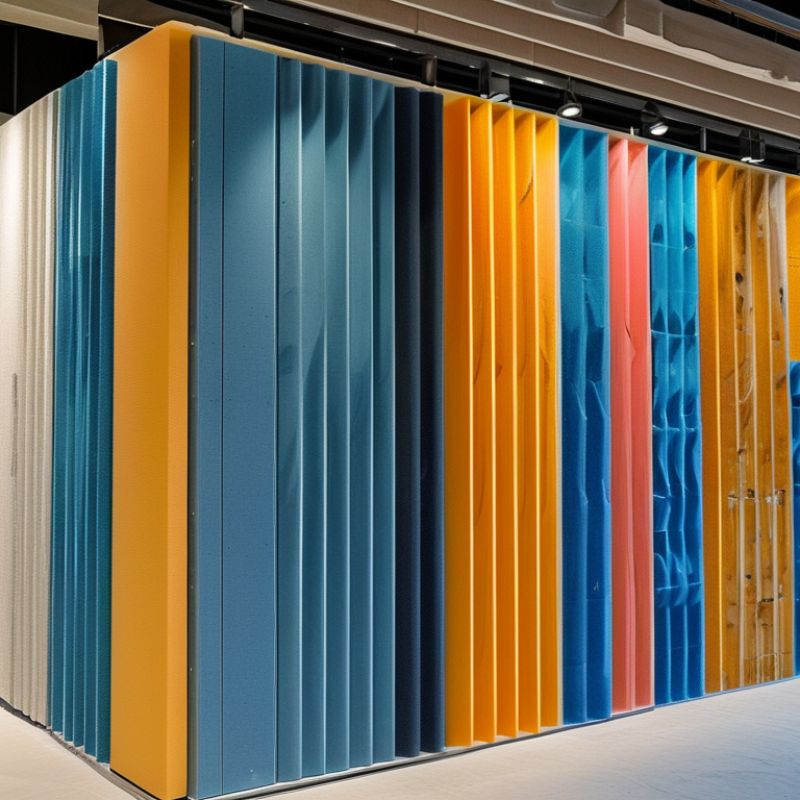
Understanding Sound Absorption: The Importance of Insulation Materials
Understanding sound absorption is crucial for creating comfortable environments. Effective insulation materials play a vital role in controlling noise levels. According to the Acoustical Society of America, poor sound absorption can lead to stress and decreased productivity in workspaces.
Selecting the right insulation reduces noise pollution significantly. Materials like fiberglass, foam, and mineral wool are known for their sound absorption capabilities. These materials can reduce sound transmission by up to 90% in certain applications. Homeowners and builders often overlook these factors, leading to subpar acoustic comfort.
Tips: Choose insulation based on sound absorption ratings, often measured in NRC (Noise Reduction Coefficient) values. A higher NRC indicates better performance. Consider the installation method, as it affects acoustic effectiveness.
Installing sound-absorbing materials can be challenging. Misalignment and poor application can lead to ineffective noise control. It’s essential to consult with professionals for optimal results. Regularly assess the acoustic environment to ensure your materials are performing as expected. Staying informed through recent industry reports will help you make better decisions.
Key Characteristics of Effective Sound Absorption Insulation Materials
When exploring sound absorption insulation materials, understanding their key characteristics is essential. Effective sound absorption begins with material density. Denser materials typically absorb sound better than lighter ones. This is particularly crucial in spaces with high noise levels, such as recording studios or open offices. However, density must be balanced with ease of installation. Heavier materials may complicate the mounting process.
Another important factor is the surface texture of the insulation. Textured surfaces are often more effective at breaking sound waves. Moreover, the thickness of the material plays a significant role in sound absorption. Thicker panels generally offer better performance. Yet, they can take up valuable space in smaller rooms. A careful evaluation of thickness versus available space is vital for achieving optimal results.
Environmentally friendly materials are gaining attention. Sustainable options can provide effective sound insulation while minimizing harm to nature. Including recycled products can enhance the green credentials of a space. However, the trade-off between sustainability and performance can be challenging. Buyers must weigh their options wisely to ensure satisfaction. Selecting the right sound absorption insulation requires thoughtful consideration of these factors.
Top 5 Sound Absorption Insulation Materials for Home and Office Use
When designing a peaceful home or office, sound absorption materials play a critical role. Acoustical panels are popular choices. They can absorb sound waves effectively. They come in various colors and styles. This makes them suitable for diverse environments. Many people overlook their aesthetic value, but they can enhance interior design.
Another excellent option is foam insulation. It is lightweight and easy to install. Foam can be used in walls, ceilings, or even floors. It has a unique ability to dampen sound. However, it's essential to ensure that it's appropriately rated for your specific needs. Inadequate installation might lead to subpar results, which is often a missed opportunity.
Fiberglass insulation is also a strong contender. It offers great sound absorption. Plus, it is fire-resistant, an added benefit in safety. Though, one must handle it with care. Skin irritation can occur if not properly protected. There's always room for improvement in selecting the right materials. Evaluate your space, listen, and adjust accordingly. Finding the perfect balance of sound absorption and design is key.
Top 5 Sound Absorption Insulation Materials
Comparative Analysis of Insulation Materials for Sound Absorption Efficiency
When it comes to sound absorption insulation materials, understanding their efficiency is key for buyers. Various materials exhibit differing performance metrics. According to industry reports, fibrous materials such as fiberglass offer excellent sound absorption, especially in mid to high-frequency ranges, with absorption coefficients around 0.90 to 1.00 in optimal conditions.
In contrast, foam-based insulations provide lower performance but can outperform fibrous materials when it comes to low-frequency sounds. For instance, acoustic foam typically has a coefficient ranging from 0.50 to 0.80. These nuanced differences can dramatically impact noise control in various environments, such as recording studios or open offices.
Tips: Always consider the specific sound frequencies you aim to absorb. Even minor differences in material thickness can affect performance. Additionally, combining different materials may enhance overall effectiveness, yet assessing the trade-offs is crucial for achieving desired results. It's important to remember that more expensive isn't always better; value lies in matching material properties to specific acoustic needs.
Installation and Maintenance Tips for Sound Absorption Insulation Materials
When selecting sound absorption insulation materials, proper installation is key. Begin by ensuring the area is clean and dry. This helps the insulation stick better and prevents moisture issues. Carefully follow the manufacturer's instructions for the best results. Measure accurately to minimize waste, as improper cuts can lead to gaps that reduce effectiveness.
Regular maintenance is essential for longevity. Inspect the insulation annually for signs of wear or damage. Look for areas where moisture may accumulate or where pests could enter. Addressing these problems promptly can help maintain sound absorption properties.
Here are some tips:
- Use a quality adhesive for better durability.
- Ensure proper ventilation during installation to prevent health risks.
- After installation, test the sound absorption performance to confirm your choices.
- Adjustments may be necessary if you notice gaps affecting the overall performance.