
Buyers comparing China-based suppliers of Stainless Steel Syringes need more than a low quotation. Product dimensions, material specifications, surface finish, and intended use all affect whether a syringe fits a particular workflow. A smooth barrel and clearly marked graduations may look like small details, but they matter during repeated handling. Ask suppliers for product drawings, material information, and available inspection records before comparing prices. Good documentation helps. Requesting samples can also reveal issues that a catalog photo cannot show, such as plunger movement or how clearly volume markings can be read.
This guide introduces practical points for assessing suppliers, including manufacturing capabilities, customization options, minimum order quantities, lead times, and communication quality. Buyers can compare these details against their own technical requirements rather than relying on broad claims about quality. Where a product is intended for a regulated application, confirm that its documentation and specifications meet the requirements relevant to that use. Verify claims directly with the supplier and review samples when possible. No checklist removes every uncertainty; supplier statements still need careful checking. A polished brochure is not proof of consistent production. The aim is to support a more informed shortlist, not to declare one supplier universally best. Even careful sourcing can involve trade-offs between cost, delivery schedules, and product options.
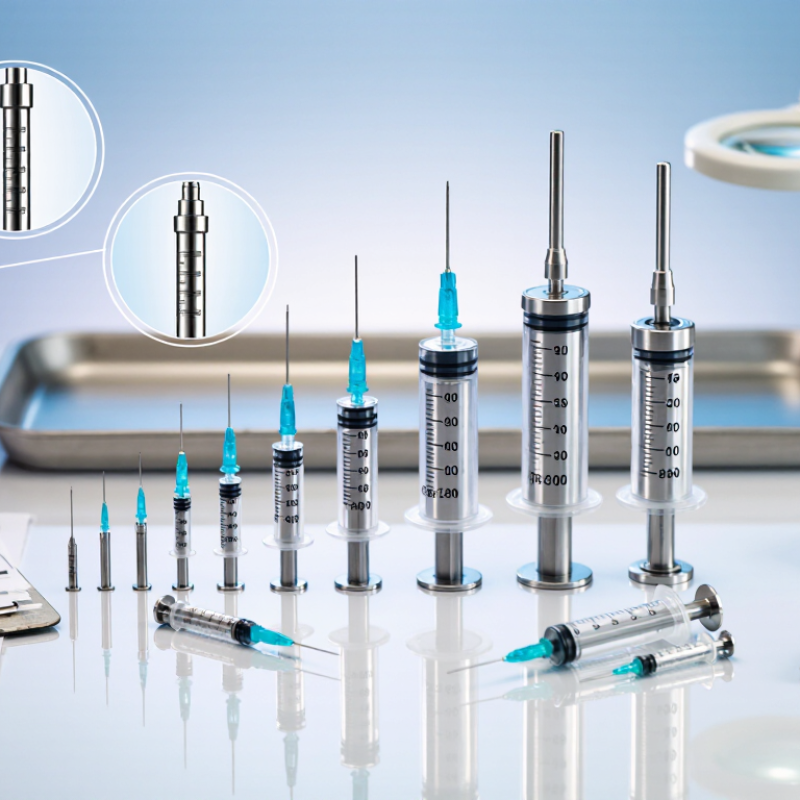
A stainless steel syringe is a dosing tool with a metal barrel and a movable plunger. Many models accept a detachable needle or dispensing tip. The barrel holds liquid, while marked graduations help users measure a set volume. Stainless steel resists corrosion, but it is not immune to damage. Design, capacity, and fittings vary by application.
These syringes are used in settings that require controlled fluid delivery, including laboratories, veterinary work, and some industrial tasks. A user draws liquid into the barrel, checks the measurement, then presses the plunger steadily. Small movements matter when handling low volumes. Not every syringe suits every fluid: viscosity, material compatibility, and required accuracy should be checked before use. Some markings can also be difficult to read under poor lighting.
Tips: Confirm the syringe’s capacity and graduation intervals before measuring. Inspect the barrel, plunger, and connection for wear or residue. Clean and sterilize reusable models only as directed by the manufacturer. Keep different fluids separate, and verify the delivered volume when accuracy is critical. A careful routine helps, though it cannot correct a mismatched tool.
China’s stainless steel syringe supplier market includes specialized manufacturers and broader medical-component producers. Catalogs can differ in barrel capacity, tip design, plunger fit, and surface finish. A polished barrel may look smooth, but appearance alone cannot confirm dimensional consistency. Before comparing quotations, request material specifications, inspection records, and clear product drawings. Supplier capabilities can vary considerably.
A dependable evaluation looks beyond unit price. Ask how incoming steel is checked, how critical dimensions are measured, and whether production batches are traceable. Review sample units for burrs, plunger movement, and readable capacity markings. Confirm cleaning, packaging, and sterilization details against the intended application. These checks do not replace qualified technical review; they make supplier discussions more precise. Some catalogs are incomplete, which is worth noting.
When evaluating China-based stainless steel syringe suppliers, assess traceability, dimensional consistency, and cleaning performance—not just price. The World Health Organization estimates that about 16 billion injections are administered worldwide each year, making dependable injection equipment a significant quality concern (WHO, Injection Safety). Ask suppliers for material certificates identifying the steel grade, plus inspection records for barrel dimensions, plunger fit, and leakage. Small details matter.
Match standards to the intended product. ISO 9626 specifies requirements for stainless steel needle tubing used in medical devices; ISO 7886-1 covers sterile, single-use hypodermic syringes. Neither automatically proves that every reusable or specialty syringe is suitable for your application. Request the supplier’s quality-management documentation, test methods, and sterilization evidence where relevant. Review sample units under realistic handling conditions: a smooth-looking finish can still conceal rough edges, inconsistent markings, or a sticking plunger. I would not rely on a catalog image alone.
Tips: Ask for a batch-specific test report, not only a generic certificate. Check whether graduations remain legible after cleaning, if reuse is intended. Confirm packaging, lead time, and change-control procedures in writing. A strong audit trail is useful; it is not a substitute for testing the product you will actually buy.
Stainless steel grade is one useful quality checkpoint. Compare the material declared by the supplier with its mill test certificate and the applicable product specification.
Typical ASTM A240 composition limits, shown as weight-percent ranges. Molybdenum is not specified for Type 304 in this comparison. Confirm the required grade and applicable standard for each product.
China-based stainless steel syringe suppliers should be assessed on documented controls, not polished catalogs. The ISO Survey 2022 reported 38,756 ISO 13485 certificates worldwide. That figure signals broad adoption of medical-device quality systems, but it does not verify any individual factory or product. Ask for the certificate’s scope, issuing body, validity, and production-site address. Check that the audited site actually makes the syringes you plan to buy.
Customization is where manufacturing capability becomes visible. Specify barrel capacity, graduation units, plunger fit, needle connection, steel grade, and surface finish. Request material certificates and traceability records for each production lot. For reusable designs, ask for corrosion, leakage, and repeated-use test results. Small details matter: a stiff plunger or faint scale can disrupt routine dosing. ISO 13485 helps structure quality controls; it does not replace product testing or applicable market approvals.
Keep the specification measurable. Ask suppliers to confirm sample dimensions, inspection methods, and acceptable tolerances before tooling begins. Review a pilot batch under your own handling conditions. A sample may feel smooth, yet performance can vary between lots. That deserves scrutiny. Do not treat customization as automatic: changes to steel, seals, or cleaning processes can affect durability and intended use. Request written change-control procedures, and retain approved samples for comparison during later inspections.
When comparing quotes from stainless steel syringe suppliers in China, align specifications before comparing prices. Confirm barrel capacity, needle or nozzle dimensions, material grade, surface finish, and acceptable tolerances. A lower quote may exclude individual packaging, sample costs, or inspection. Ask each supplier to list these items clearly, with minimum order quantity and production lead time. Small differences matter.
Request material certificates, inspection records, and sample units for review. Check whether the product’s intended use requires specific cleaning, sterilization, or packaging conditions, and state those requirements before ordering. Compare payment terms, shipping arrangements, and how defects will be handled. Keep drawings and approved samples with the purchase record. It helps. One detail buyers sometimes miss is consistency between the sample and the bulk-production specification; ask how changes are controlled.
Tips: Put every requirement in one comparison sheet. Mark quoted, excluded, and unconfirmed items separately. Ask for a revised quote when details are vague. Leave time for sample evaluation and production checks. I would not treat the cheapest offer as the best value until the scope matches.
By continuing to use the site, you agree to the use of cookies. more information
The cookie settings on this website are set to "allow cookies" to give you the best browsing experience possible. If you continue to use this website without changing your cookie settings or you click "Accept" below then you are consenting to this.