What Are the Top Types of High Silicon Steel?
High Silicon Steel is not one uniform material. Its silicon content, texture, thickness, and processing route shape how it performs in electrical equipment. Those differences matter in a transformer core, where low energy loss is valuable, and in specialized magnetic components exposed to demanding conditions. A few grades may look similar on a specification sheet. Their behavior under alternating magnetic fields can still differ.
This guide compares the main types by composition and practical use. It explores grain-oriented steel, often selected for transformer cores, alongside non-oriented grades used where magnetic properties are needed in several directions. It also considers high-silicon alloys designed to reduce core loss, while noting that higher silicon content can make steel more brittle and harder to form. Small details matter. A thin strip, a particular rolling direction, or a coating can change manufacturing choices and end-use performance.
Materials scientist David Jiles is an established authority on magnetic materials, but the supplied material contains no verifiable, topic-specific quotation from him. To avoid inventing a statement, this introduction does not present one as his words. That distinction is important: reliable technical guidance should separate sourced evidence from interpretation. The comparisons ahead offer a practical starting point, not a substitute for checking grade data, test conditions, and supplier documentation. Real applications are messier. A “best” type depends on the design.
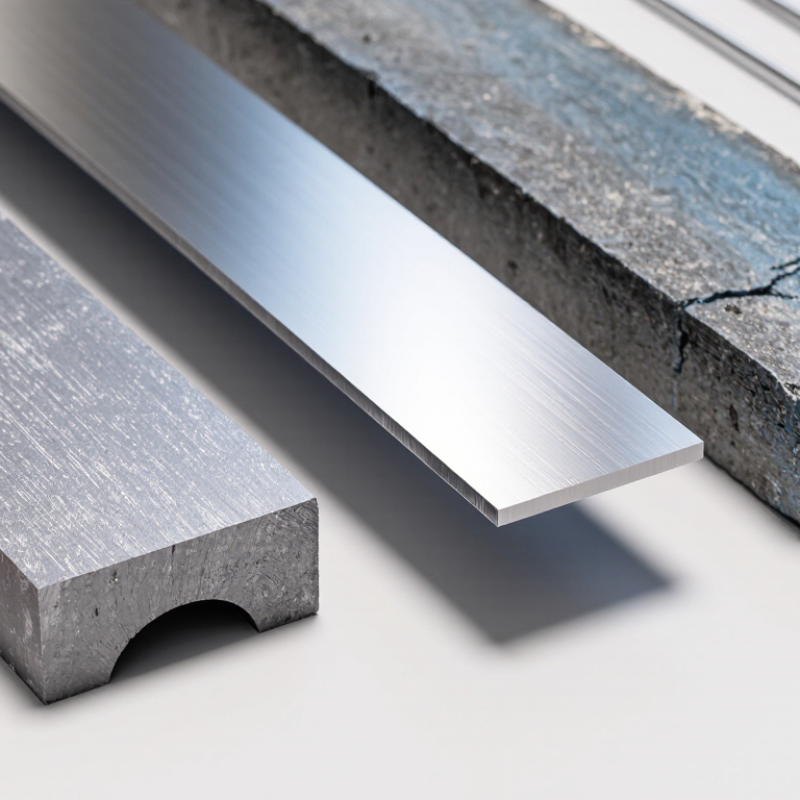
Classification of High-Silicon Steel by Composition and Structure
What Are the Top Types of High Silicon Steel?
High-silicon steel is commonly classified by silicon content, though exact boundaries vary among manufacturers and technical references. Conventional electrical steel often contains roughly 2–3.5% silicon by weight. Higher-silicon grades may contain about 4.5–6.5%. The percentages matter: added silicon increases electrical resistivity, helping reduce eddy-current losses in alternating magnetic fields.
Structure offers another useful classification. Grain-oriented steel has a strong crystallographic texture, so it carries magnetic flux efficiently in a preferred direction. Non-oriented steel has a more evenly distributed grain orientation and performs more consistently across different directions. These categories describe texture, not silicon percentage. That distinction matters.
At higher silicon levels, iron-silicon alloys can develop ordered structures, including B2 and DO3 arrangements. These structures can reduce magnetostriction, the small dimensional change that causes vibration and humming in transformers. Yet high silicon also makes the material brittle, complicating rolling and forming. Processing history, grain size, and heat treatment can change the final properties. Classification is useful, but it does not tell the whole story. A grade’s measured composition and magnetic performance should be checked for its intended application.
Grain-Oriented High-Silicon Electrical Steel
Grain-Oriented High-Silicon Electrical Steel
Grain-oriented electrical steel is designed for transformer cores, where magnetic flux repeatedly follows a preferred path. Its grains are aligned mainly along the rolling direction, reducing magnetic resistance in that direction. Typical grades contain about 3% silicon and are supplied in thin laminations, often around 0.23–0.30 millimeters thick. The exact figures depend on grade and specification. Small differences matter.
This alignment helps limit core losses during magnetization. In practice, designers stack narrow steel sheets and keep the main flux parallel to their rolling direction. Cutting, punching, or bending can disturb the magnetic structure, so processing quality matters as much as the material certificate. A neatly stacked core can still disappoint if its joints create local flux bottlenecks.
The U.S. Department of Energy’s 2024 distribution-transformer standards analysis projected cumulative energy savings of 10.3 quadrillion Btu over 30 years under its selected standard. That figure concerns transformer efficiency overall, not grain-oriented steel alone. Still, it shows why small losses deserve attention across fleets of equipment. One limitation is easy to overlook: grain-oriented steel performs best along its preferred direction, not equally well everywhere in a three-dimensional core.
Top Types of High-Silicon Steel: Grain-Oriented Electrical Steel
Note: Commercial grain-oriented electrical steel generally contains about 3% silicon. “High silicon” in this context can refer to silicon steel broadly; 6.5% silicon material is a distinct, more specialized category and should not be confused with standard grain-oriented grades. Typical values vary by specification and manufacturing process.
Non-Oriented High-Silicon Electrical Steel
Non-oriented high-silicon electrical steel is used in motors and generators, where magnetic flux changes direction as the rotor turns. Its magnetic properties are relatively similar in different directions across the sheet. That makes it useful for rotating machinery, rather than equipment with one fixed magnetic path. In a motor core, thin stacked laminations help limit eddy currents and reduce energy lost as heat.
Silicon raises the steel’s electrical resistivity, which can help reduce core losses at operating frequencies. Higher silicon content may also lower magnetostriction, helping reduce vibration and audible hum. The trade-off is real: high-silicon steel can be brittle and harder to roll, cut, or stamp. Grades and processing routes vary, so performance depends on the finished material, not just its silicon percentage. A neat specification sheet cannot replace checking the actual motor’s frequency, flux density, and temperature.
Tips: Compare core-loss data at your intended frequency and magnetic flux density. Ask how the sheet handles stamping; small edge cracks can complicate assembly. Don’t overlook insulation coating thickness. It affects stacking and electrical isolation.
5% Silicon Steel and Other Specialty Grades
Among specialty electrical steels, 5% silicon steel offers a useful balance between magnetic performance and manufacturability. Its higher silicon content increases electrical resistivity, which can reduce eddy-current losses in alternating magnetic fields. It may also help limit magnetostriction and the humming associated with transformer cores. Yet added silicon makes the material harder and more brittle. That matters. Cutting and forming may require careful process control, and the best grade depends on the finished part.
Other specialty options include grain-oriented steel for transformer cores and non-oriented grades for rotating electrical equipment. Some high-silicon grades prioritize low core loss, while others are selected for magnetic response or specific thicknesses. Thin-gauge material can support efficient designs, but handling and lamination assembly become more demanding. The trade-off is not always tidy: a strong result in one magnetic property may complicate production or raise cost. Compare test data under the intended frequency, flux density, and temperature rather than relying on silicon percentage alone.
Tips: Ask for core-loss and magnetic-property data at your operating conditions. Check bendability and cutting requirements with the fabricator. A small prototype can reveal problems that a datasheet misses.
How Processing and Applications Distinguish High-Silicon Steel Types
What Are the Top Types of High Silicon Steel?
How Processing and Applications Distinguish High-Silicon Steel Types
High-silicon steel types differ by silicon content, grain structure, and how the strip is made. Conventional electrical steel often contains around 3% silicon. Grain-oriented grades are processed to align magnetic grains, making them useful in transformer cores, where magnetic flux follows a consistent path. Non-oriented grades have more uniform magnetic properties in different directions, so they suit rotating motors and generators. The distinction is practical, not just technical.
Higher-silicon grades, often near 6.5%, offer greater electrical resistivity and can reduce energy lost as heat in changing magnetic fields. But added silicon also makes steel brittle, complicating rolling and shaping. Manufacturers may use specialized deposition or diffusion methods to add silicon to thin strip, rather than relying on ordinary rolling alone. These materials can serve high-frequency components, where reduced core loss matters. The trade-off is real. Processing details matter, and the best choice depends on operating frequency, core geometry, and forming needs.
Tips: Match the grade to the magnetic direction and working frequency. Check thickness and forming limits before designing a core. A small test piece can reveal cracking or handling problems; datasheets do not capture every shop-floor difficulty.