
Choosing the right Restaurant Cooler is not just a matter of capacity. It affects food access, kitchen workflow, and energy use. ENERGY STAR reports that certified commercial refrigerators and freezers are at least 20% more energy efficient than standard models. That difference matters in a room where doors open constantly and compressors work through busy service.
The main types solve different problems. Reach-in coolers keep ingredients close to the line. Walk-ins handle bulk storage, while undercounter units fit tight workspaces. Prep-table coolers combine chilled storage with a work surface, and display coolers keep products visible to customers. The FDA Food Code recommends holding time/temperature control for safety foods at 41°F or below. Local requirements can vary, so operators should check the rules that apply to their location.
A useful comparison looks beyond the product label. Check usable interior space, temperature recovery, door style, insulation, and service access. ENERGY STAR figures offer a helpful benchmark, but they cannot predict every kitchen’s actual bills. Installation, cleaning, and door habits matter too. Small details matter. A cooler beside a hot oven may face a harder job than one in a cooler prep area. That is easy to overlook. The following guide compares the leading cooler types by their strengths, limitations, and best-fit kitchen uses, helping readers narrow choices before reviewing specific models.
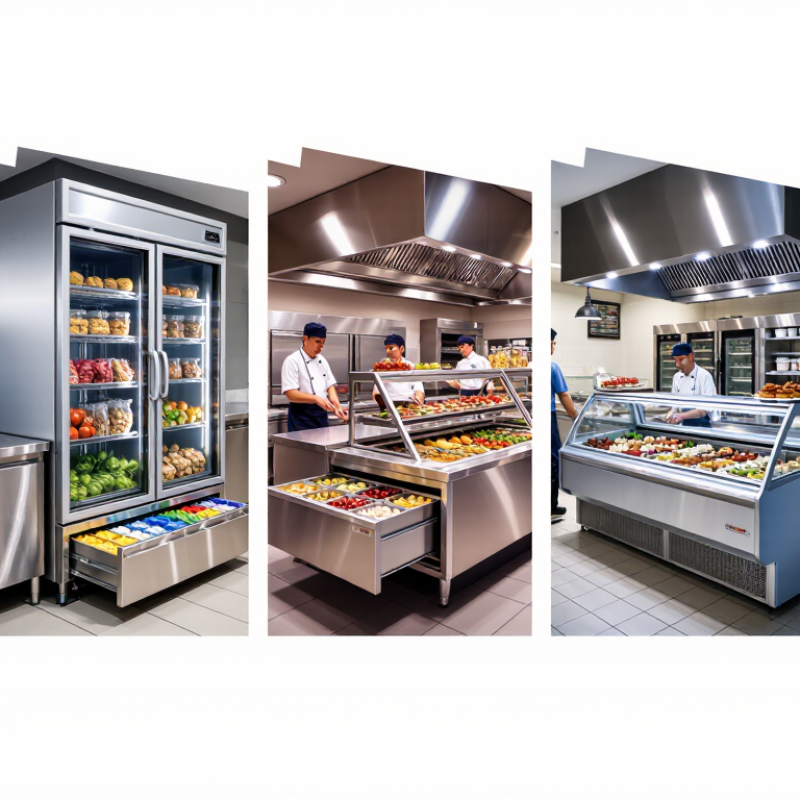
Restaurant cooler types are easier to compare when you look at both their design and usable storage. Upright reach-in units suit kitchens that need frequent access to refrigerated ingredients. Their shelves can hold labeled containers, but a crowded interior may block airflow and make temperatures less even. Check shelf spacing against the pans and tubs your staff actually use.
Undercounter coolers fit beneath prep counters and keep a small set of ingredients close at hand. They save steps, though their capacity is limited. Worktop models add a refrigerated base beneath a surface for light preparation. Measure the available counter height and door swing before choosing one. Space matters.
For larger operations, walk-in coolers provide room for bulk deliveries, ingredient bins, and rolling racks. Their stated capacity can be misleading if racks, door clearance, or circulation space are ignored. Sketch the interior layout before estimating how much stock will fit. Also measure the delivery route, including narrow doors and turns. A cooler that fits the kitchen may not fit through the entrance. Capacity needs change with menu volume, delivery frequency, and container size, so leave some room for growth. I would not rely on a single cubic-foot figure; real storage depends on how the shelves are arranged and used.
Reach-in refrigerators and freezers keep ingredients close to the work area, which can save time during a busy service. A refrigerator is suited to produce, dairy, sauces, and prepared foods that need chilled storage. A freezer holds items that must remain frozen, such as meat, seafood, or backup portions. Both come in one-, two-, and three-section configurations, but a larger unit is not automatically the better choice.
Look at usable shelf space, not only the exterior dimensions. A wide pan may fit on one shelf but block airflow if it is pushed against the back wall. Adjustable shelves help accommodate changing deliveries, while solid doors usually offer better insulation than glass doors. Glass doors make stock easier to check at a glance. That convenience can come with more heat entering during frequent door openings.
Measure the doorway, aisle, and final installation space before choosing a unit. Leave room for ventilation, and check that staff can open the doors without blocking a busy path. Door seals should sit flat, and interior surfaces should be easy to clean. Temperature displays are useful, but they do not replace regular checks with a reliable thermometer. There is a trade-off. A reach-in can make daily access simple, yet crowded shelves and repeated openings may make temperature control less consistent than expected.
Walk-in coolers and freezers give restaurants room to store ingredients in bulk while keeping daily supplies accessible. A cooler typically holds fresh produce, dairy, and prepared ingredients; a freezer protects frozen foods at consistently low temperatures. The right size depends on delivery frequency, menu volume, and available floor space—not just the number of shelves. A room that looks spacious on a plan can become cramped once carts and open doors enter the picture.
Temperature consistency matters. Place a reliable thermometer where staff can check it easily, and avoid blocking evaporator airflow with boxes. Keep raw ingredients below ready-to-eat foods when shelving allows, and label containers with dates. Small details matter. Door seals should close firmly; a worn gasket can invite warm, humid air and encourage frost buildup. Staff should also avoid propping doors open during busy deliveries. It happens, but it raises temperatures and makes the equipment work harder.
A walk-in needs practical access, washable surfaces, and enough clearance for cleaning and repairs. Freezers may need suitable flooring and careful attention to ice near the entrance. Plan around the actual route from receiving to storage, rather than choosing capacity alone. An oversized unit can waste energy, while a tight layout slows work. A refrigeration professional can help match equipment capacity to expected loads and site conditions. Even then, usage patterns may change, so review storage habits after opening.
| Equipment Type | Typical Temperature | Common Restaurant Uses | Capacity and Access | Key Considerations |
|---|---|---|---|---|
| Walk-In Cooler | Usually set around 35–38°F (2–3°C); refrigerated food must generally be held at 41°F (5°C) or below. | Storing produce, dairy, prepared foods, and other chilled ingredients. | Large storage area; staff can enter and access shelves, racks, or carts. | Requires floor space, suitable insulation, and room for door clearance. Organize stock to allow airflow and easy cleaning. |
| Walk-In Freezer | Commonly 0°F (−18°C) or colder. | Longer-term storage of frozen foods, ingredients, and backup inventory. | Large storage area with walk-in access and room for shelving or racks. | Requires insulated construction and careful door management to limit warm, moist air entering the space. |
| Reach-In Refrigerator | Typically maintained at 41°F (5°C) or below for cold-held food. | Frequently used ingredients, backup stock, and items needed near a cooking or service station. | Compact cabinet with front-access doors; available in one-, two-, or three-section configurations. | Check the internal temperature regularly and avoid overloading shelves, which can restrict airflow. |
| Undercounter Refrigerator | Typically maintained at 41°F (5°C) or below for cold-held food. | Ingredients and supplies kept close to work areas in kitchens, bars, or service stations. | Small footprint; fits beneath compatible counters or work surfaces. | Allow adequate ventilation around the refrigeration system and confirm that the counter height suits the workspace. |
| Refrigerated Prep Table | Designed to keep food cold; food temperature should meet applicable cold-holding requirements, generally 41°F (5°C) or below. | Preparing sandwiches, salads, pizzas, and other dishes with frequently accessed ingredients. | Combines a refrigerated ingredient rail with a work surface and, in many models, refrigerated storage below. | Use compatible ingredient pans and keep lids in place when practical. Verify food temperatures rather than relying only on the display. |
| Refrigerated Display Case | Set according to the products and applicable food-safety requirements; cold-held potentially hazardous foods generally need to remain at 41°F (5°C) or below. | Displaying chilled desserts, drinks, packaged foods, or other ready-to-serve items. | Front-facing display with customer-side visibility; capacity depends on the case design. | Choose a case suited to the product and service environment. Monitor product temperature, especially during busy periods. |
| Blast Chiller | Designed for rapid cooling rather than long-term storage. A common food-safety cooling standard is 135°F to 70°F (57°C to 21°C) within 2 hours, then to 41°F (5°C) or below within the next 4 hours. | Rapidly cooling cooked foods before transferring them to refrigerated storage. | Batch equipment; capacity is measured by the amount of food it can chill per cycle. | Follow the equipment instructions and applicable local food-safety rules. A blast chiller does not replace a refrigerator or freezer for storage. |
Note: Temperature ranges are typical guidance, not universal equipment specifications. Follow local food-safety regulations and verify the temperature of the food itself.
Undercounter coolers keep frequently used ingredients close to the work area. They fit beneath counters, beside grills, or near a plating station, saving steps during busy service. Measure door swing and aisle clearance before choosing a unit; a cooler that blocks a drawer can slow the whole line. Check usable interior space, not just exterior dimensions. Shallow shelves may limit the containers your kitchen already uses. Small details matter.
Prep-table coolers combine refrigerated storage with a worktop and ingredient pans. They suit kitchens assembling salads, sandwiches, or pizzas, where cooks need chilled toppings within arm’s reach. Keep pans covered when practical, and avoid packing them so tightly that airflow is restricted. Staff should also verify food temperatures with a suitable thermometer and follow the kitchen’s food-safety procedures. A prep table can feel spacious in a showroom, yet cramped once cutting boards and containers arrive.
Display coolers make chilled products visible to customers or staff. Glass doors, open fronts, and countertop cases serve different layouts, from grab-and-go counters to dessert stations. Visibility helps, but lighting, glare, restocking access, and nearby heat sources affect daily performance. Looks sell. So does dependable cooling. It is easy to overestimate display capacity; test the arrangement with the actual trays and products before committing.
Choosing a restaurant cooler starts with the menu and the room, not the catalogue. A busy line assembling salads may need a refrigerated prep table, while bulk produce suits a walk-in. Measure doorways, aisle clearance, and the space needed for condenser airflow. Measure first. A cooler that fits on paper may block a delivery route in real life. Estimate peak inventory, then leave room for air circulation and staff access. Overfilling is tempting during a rush, but it can slow cooling and make stock harder to rotate.
Check temperature performance against the foods you store and local requirements. The FDA Food Code 2022 uses 41°F (5°C) or below as a cold-holding benchmark for time/temperature control foods; confirm the rules that apply to your operation. Compare usable capacity, shelving, door style, and cleaning access—not just exterior dimensions. ENERGY STAR reports that certified commercial refrigerators use about 20% less energy than standard models. That matters when a unit runs all day, though purchase price and energy savings are only part of the cost. Ask for energy-use data, warranty terms, and service access. A common misjudgment is choosing the largest unit available. It may waste floor space and energy if daily turnover is low. Keep a thermometer visible, and check actual temperatures during busy shifts.
Compare common refrigerated equipment by the FDA Food Code cold-holding limit for time/temperature control for safety (TCS) foods. Choose a cooler based on storage volume, available space, and kitchen workflow.
How to use this chart: The 41°F limit applies to TCS food held in all five refrigerated equipment types; it is not a recommended cooler setpoint. Set equipment low enough to keep food at or below the limit, and follow local requirements. Reach-ins and undercounter units suit quick access, walk-ins suit larger storage needs, prep tables support assembly work, and display cases present chilled items.
By continuing to use the site, you agree to the use of cookies. more information
The cookie settings on this website are set to "allow cookies" to give you the best browsing experience possible. If you continue to use this website without changing your cookie settings or you click "Accept" below then you are consenting to this.