
Blog

What is a Vacuum Sealer Machine and How Does It Work?

In the world of food preservation, the Vacuum Sealer Machine stands out as a revolutionary tool. Chef Emily Thompson, an expert in food science, states, "A vacuum sealer can extend the life of food for months." This statement perfectly encapsulates the essence of the Vacuum Sealer Machine. By removing air from bags, it slows down spoilage and preserves the flavor and texture of food.

Many consumers are still unaware of how this technology works. A Vacuum Sealer Machine uses suction to eliminate air from storage bags. This process not only keeps food fresh but also enhances marination and flavor absorption. However, choosing the right machine can be overwhelming due to various models available.

It’s also important to note that over-reliance on vacuum sealing can lead to food storage mistakes, such as not labeling bags properly. Users must reflect on their habits and ensure they follow best practices. Understanding the function and benefits of a Vacuum Sealer Machine is key to making informed choices in food preservation.
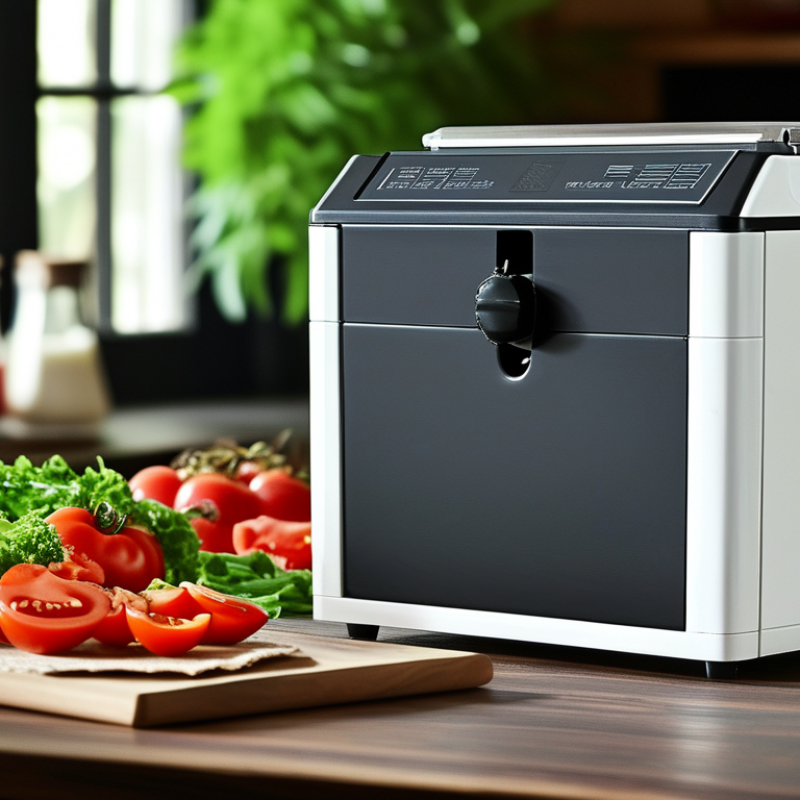
What is a Vacuum Sealer Machine and How Does It Work?

What is a Vacuum Sealer Machine?

A vacuum sealer machine is a handy tool for preserving food. It removes air from bags before sealing them tightly. This process prevents spoilage by inhibiting the growth of bacteria and mold. With fresh food stored properly, you can enjoy it for a longer time.

Using a vacuum sealer is straightforward. Place your food in a vacuum bag and insert it into the machine. The machine sucks out the air and seals the bag. Many models have settings for various food types. Some can even handle liquids or delicate items. You might find it surprising how many users struggle with different bag sizes. Choosing the right size is crucial.

**Tips:** Always ensure the bag is clean before sealing. Any residue can cause air leaks. Experiment with different foods to determine which ones seal best. Some items may need pre-freezing to avoid crushing. Lastly, remember to clean your machine regularly to maintain its efficiency. Reflect on these steps to gain the best results from your vacuum sealer.

Key Components of a Vacuum Sealer

A vacuum sealer machine is designed to remove air from bags or containers, creating a sealed environment. Its key components make this process efficient and effective. The primary parts include the heat sealing element, vacuum pump, and control panel. Each plays a crucial role in the sealing process.

The heat sealing element melts the edges of the bags, forming a secure seal. Proper temperature control is vital; too hot can melt the bag, and too cool will not seal properly. The vacuum pump removes the air, creating a vacuum that prevents spoilage. A strong, reliable pump is essential for maintaining the vacuum level.

The control panel allows users to set preferences and monitor the process. While many machines offer user-friendly interfaces, understanding options can be overwhelming. Some users might find it hard to gauge the ideal setting for different foods. Experimentation may lead to better sealing technique. With practice, sealing food can become second nature.

How Vacuum Sealers Function: The Process Explained

A vacuum sealer machine eliminates air from packaging, extending the freshness of food. Understanding how these devices work is crucial for maximizing their benefits. The vacuum sealing process begins with placing food in a plastic bag. The machine then uses a heating element to seal the bag after removing excess air. This creates an airtight environment that slows spoilage.

One important tip is to ensure the bag is clean and dry before sealing. Any moisture can lead to bacteria growth. Additionally, cut the bag to fit your food snugly. Overfilling can create weak seals, making it easier for air to enter later.

It’s also worth noting that not all foods are suitable for vacuum sealing. Soft items like bread may be crushed during the process. Testing different foods can help refine your approach. Understanding these details can improve your vacuum sealing experience and help maintain food quality over time.

What is a Vacuum Sealer Machine and How Does It Work?

Feature Description Benefit
Sealing Mechanism Uses heat and pressure to create an airtight seal. Prevents spoilage and extends food shelf life.
Vacuum Level Removes air from the bag, reducing oxidation. Keeps food fresher for longer periods.
Bag Material Specialized plastic that withstands heat and pressure. Provides durability and prevents leaks.
Marinade Mode Allows for quick marinating by vacuum infusing flavors. Enhances taste and tenderness of meats.
Food Storage Ideal for bulk purchasing and meal prepping. Reduces food waste and saves money.

Different Types of Vacuum Sealers Available

Vacuum sealers are essential for food preservation. They create a sealed environment, extending the shelf life of perishables by up to five times. Various types of vacuum sealers cater to different needs.

External vacuum sealers are common in households. They are user-friendly and versatile. A consumer report reveals that 70% of users favor this option. These machines apply heat to seal bags after vacuuming air out. However, they may struggle with liquids, making them less suitable for soups or marinades. Chamber vacuum sealers are another category. They are more robust and efficient in removing air from bags. These units can handle liquids and provide a tighter seal. Approximately 30% of professionals in culinary settings prefer chamber sealers for their reliability.

Impulse sealers are simpler and often used for packaging non-food items. They heat the seal area briefly, allowing for efficient sealing without a vacuum function. For occasional users, this option is both cost-effective and easy to store. Some users find it tricky to achieve a perfect seal on thicker bags. This inconsistency can lead to wasted food and money. Each type has its strengths and weaknesses, making it crucial for buyers to assess their specific needs.

Benefits of Using a Vacuum Sealer in Food Storage

Vacuum sealers have transformed food storage practices. They remove air from bags, significantly reducing oxidation and spoilage. This method locks in flavors and nutrients, making meals taste fresher for longer. It’s almost like saving food from the clutches of time.

One of the biggest benefits is waste reduction. Leftovers can be stored for weeks without risking spoilage. This makes planned meals easier. You can prepare ingredients in advance and vacuum seal them. But it’s important to note that not all foods seal well. Foods with high moisture may need special handling. Some people may forget to check seals before storage, leading to unexpected spoilage.

Long-term storage is another perk. Unlike traditional methods, vacuum sealing can extend a food’s shelf life up to five times. It protects against freezer burn. However, it requires an upfront investment. Not every kitchen is equipped for vacuum sealing. Reflecting on these factors can help decide if this method fits your lifestyle.

By continuing to use the site, you agree to the use of cookies. more information

The cookie settings on this website are set to "allow cookies" to give you the best browsing experience possible. If you continue to use this website without changing your cookie settings or you click "Accept" below then you are consenting to this.

Close