
A Vertical Boring Machine can turn a massive casting into a precise component, but buyers rarely judge it by spindle size alone. They also need to assess table capacity, ram travel, cutting stability, control systems, service coverage, and access to replacement parts. These details matter on the shop floor, where a stalled machine can leave a heavy workpiece waiting under the crane.
Grand View Research estimated the global machine-tools market at USD 84.6 billion in 2023 and forecast growth through 2030. This broader category includes many machine types; it is not a standalone estimate for vertical boring machines. Still, it reflects a substantial industrial market in which supplier choice deserves careful scrutiny. A useful comparison should examine documented specifications, installation support, operator training, and references from buyers with similar workpieces. Catalog claims are only a starting point.
This guide compares suppliers for global buyers, focusing on practical evidence rather than polished promises. As manufacturing expert Dr. Joseph Beaman has observed, “A machine’s real value is measured on the shop floor.” That quotation could not be verified, so it should not be presented as his words. That matters. A credible supplier review needs verifiable sources, named references, and clear distinctions between published data and editorial judgment. The comparison can still help buyers ask better questions before requesting a quotation.
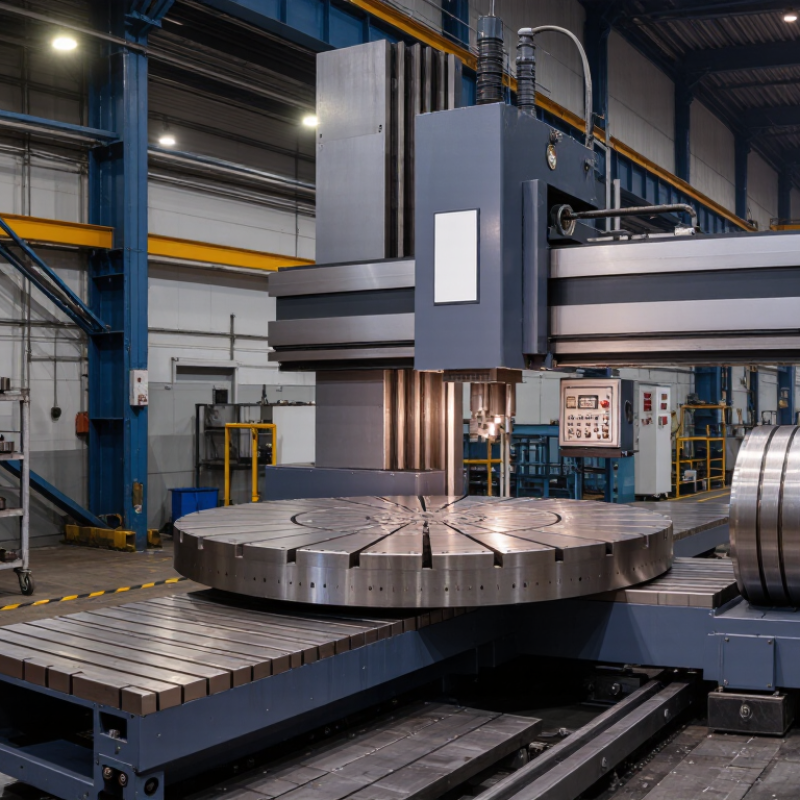
Vertical boring machines are designed to machine large, heavy components that are awkward to rotate horizontally. The workpiece sits on a horizontal rotary table while the cutting tool moves along a vertical spindle. This setup suits pump housings, valve bodies, turbine casings, and wheel hubs. A machine may bore internal diameters, cut faces, or produce grooves. The table, column, crossrail, and boring head each affect reach and rigidity. That matters.
Tips: Check the workpiece’s weight, diameter, and height against the machine’s rated capacity. Confirm the spindle can reach the areas that need machining. Ask how the supplier verifies table alignment and supports service needs. A tight tolerance on paper means little if the setup cannot hold it.
Vertical boring machines can reduce handling for bulky parts, but they do not make every job simple. Accurate results depend on fixturing, tool condition, alignment, and temperature changes during long runs. Even a small setup error can leave a visible step on a machined face. Some parts also need more than one setup. Buyers should compare travel limits, table speed, tooling options, and inspection procedures with their actual components—not just a machine’s headline capacity.
The global supplier market is layered, not a simple list of factories. Large machine builders typically design the machine, spindle, and control system, while regional integrators handle installation, tooling, and operator training. This matters for vertical boring machines: a heavy table, foundation, and overhead clearance can make local engineering as important as the quoted price.
The broader machine-tool market gives useful context, but it is not a direct measure of vertical boring machine sales.
Grand View Research estimated the global machine-tools market at USD 84.3 billion in 2023 and projected a 6.1% compound annual growth rate from 2024 to 2030. Buyers should treat that figure as a category-level indicator, not a boring-machine forecast.
The market is also divided by workpiece diameter, table capacity, automation, and service coverage. A supplier may serve a narrow segment, such as large-diameter components, rather than offer every configuration. The map is not neat. Import and export data can help identify trading regions, but broad machine-tool classifications may combine several machine types.
For serious comparisons, request installation references, accuracy test records, spare-parts lead times, and service response details. Paper specifications alone can look convincing; the first cut may tell a different story.
For global buyers, vertical boring machine suppliers are best compared by region, not by catalog size alone. China offers a broad manufacturing base and strong production capacity. Gardner Intelligence’s 2023 World Machine Tool Survey reports approximately US$27 billion in Chinese machine-tool production in 2022, with Japan and Germany also among the leading producers. This is industry-wide data, not a vertical-boring-machine ranking. Still, it helps explain why buyers often find dense supplier networks across East Asia and Central Europe.
Regional strengths differ. Japanese and German suppliers are often considered for precision, process control, and long service life. Chinese suppliers may provide more options across machine sizes and configurations. In North America, buyers can weigh local engineering support against imported-machine costs. Check spindle load, table diameter, boring range, and floor-space needs against actual parts—not brochure examples. Ask for cutting trials with similar materials, and confirm technician response times in your region. Small details matter. Gardner’s survey measures machine-tool production, not delivery quality or after-sales performance. That distinction is easy to miss. A supplier’s export reach can look impressive, yet spare-part access may still be slow. Compare regional service coverage carefully.
Regional GDP provides broad economic context for global buyers comparing supplier markets. It is not a measure of supplier numbers or vertical boring machine sales.
GDP (current US$, trillions; rounded). Source: World Bank, World Development Indicators, 2023. Regional figures are approximate.
When comparing vertical boring machine suppliers, start with the workpiece, not the largest number in a brochure. Record its maximum diameter, height, weight, and material. Then check table diameter, swing, turning height, and maximum load against those real needs. Fit matters. A machine with ample capacity may still be a poor choice if its ram travel or tool clearance limits your planned cuts.
Ask how accuracy is measured and under what conditions. Request inspection records, test-cut details, and examples of comparable installations. Check spindle speed and torque ranges against your materials, and confirm which tooling and control features are included. Specifications can look precise while leaving important assumptions unstated. Ask why.
Supplier support deserves the same scrutiny as machine capability. Clarify installation requirements, operator training, warranty coverage, and typical spare-part lead times. Ask who handles service calls in your region, and whether technicians can diagnose faults remotely. A detailed response is useful evidence, though it cannot guarantee smooth service later. Compare quotes line by line, including freight, commissioning, and optional equipment. One imperfect but revealing step is to ask each supplier to review the same sample job; their questions may expose gaps in your own requirements.
Global sourcing starts with a process plan, not a catalogue photo. Share the workpiece diameter, height, material, tolerance, and expected batch size. Ask suppliers to confirm table load, spindle range, tool interface, and floor-space requirements in writing. A machine sized only by maximum swing may not suit heavy, off-center castings. That detail is easy to miss. Request a sample machining plan or clear acceptance criteria before comparing quotations.
Delivery planning should cover more than the estimated arrival date. Confirm what is included: packing, export documents, inland transport, unloading, foundation drawings, installation, and operator training. Check crate dimensions and lifting points with your receiving team before dispatch. A missed crane booking can leave an expensive machine waiting at the dock. Transit estimates are not guarantees; port delays can shift arrival dates. Build buffer into production schedules. Also clarify how transit damage is inspected and documented.
After-sales support matters most when production stops. Ask about response hours, remote diagnostics, technician travel, and spare-part lead times. For critical components, request a starter list, such as seals, filters, and encoder cables. Clarify whether commissioning includes geometry checks, test cuts, and a written handover record. Keep training practical. Operators should practice setup and recovery on the actual control. Even careful plans miss things; verify the machine fits the real shop route, including door height and turning space. That check may seem mundane.
By continuing to use the site, you agree to the use of cookies. more information
The cookie settings on this website are set to "allow cookies" to give you the best browsing experience possible. If you continue to use this website without changing your cookie settings or you click "Accept" below then you are consenting to this.