What is Waterjet Cutting Machinery and How Does It Work?
waterjet cutting machinery represents a remarkable advancement in manufacturing technology. This powerful tool uses high-pressure water to cut through various materials, offering versatility and precision. It can slice through metals, plastics, and even stone with ease. The process relies on a combination of water and abrasive materials, creating a dynamic cutting stream.
As industries evolve, the demand for efficient cutting methods rises. waterjet cutting machinery has gained popularity due to its ability to produce clean edges without heat distortion. However, it is essential to reflect on its limitations. Not every material is suitable for this technique. Certain applications may require additional processes or tools.
Embracing waterjet cutting machinery opens doors to innovative design possibilities. Yet, it also calls for a thoughtful approach to ensure optimal results. Evaluating each project's needs can help determine if this cutting method truly fits the bill.
What is Waterjet Cutting Machinery?
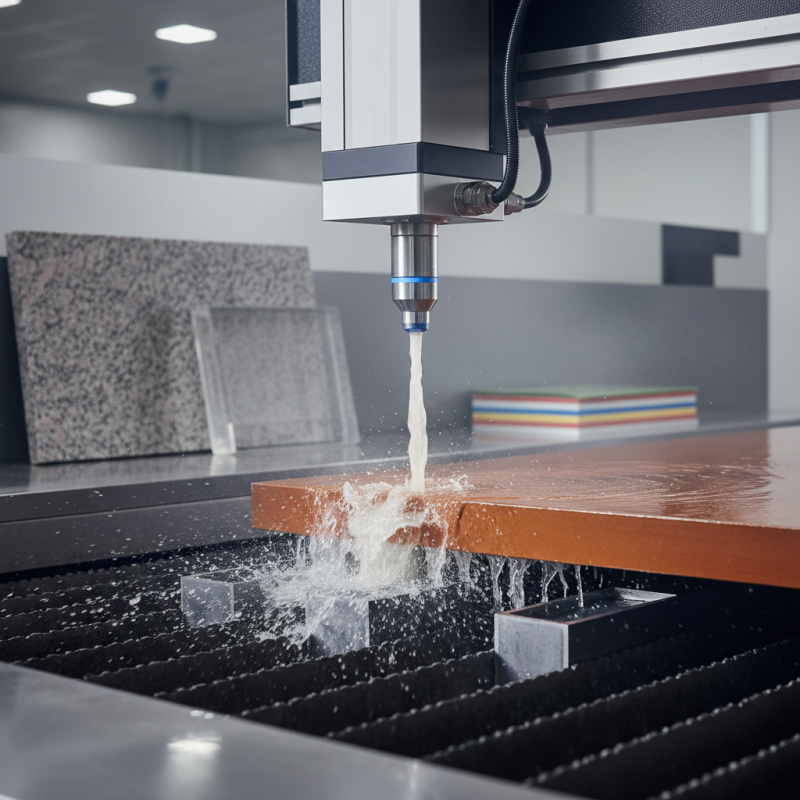
Waterjet cutting machinery is a powerful tool used for precision cutting. It operates by forcing a high-pressure stream of water, often mixed with abrasives, through a small nozzle. This creates a jet that can slice through various materials, including metal, stone, and glass. The cutting process is cold, which means materials do not experience heat stress or warping. This feature benefits projects that require high-precision cuts without damaging the material's integrity.
The technology has its limitations. Waterjet cutting is not suitable for all materials, especially those that are porous or absorb water. The setup can be complex, requiring skilled operators to ensure optimal performance. Additionally, maintaining the equipment can be challenging and may sometimes lead to downtime. Operators must carefully monitor water quality and pressure to avoid inconsistent cuts. Despite these challenges, waterjet cutting remains favored for its versatility and ability to create intricate designs. The adaptability of the machinery makes it vital in industries like manufacturing and construction, where precision is paramount.
The Basic Principles of Waterjet Cutting Technology
Waterjet cutting technology relies on high-pressure water to slice through various materials. The process uses a pump to elevate water pressure, sometimes exceeding 90,000 psi. This intense force propels water through a narrow nozzle. The water then exits at incredible speeds, creating a thin, powerful jet. This jet can effectively cut through metal, stone, and even glass.
In addition to pure water, an abrasive material is often introduced. Abrasive particles enhance the cutting ability for tougher materials. The waterjet system can achieve precision cutting with minimal kerf, the material removed during the cut. This makes it ideal for intricate designs. However, achieving perfect alignment is challenging. Misalignment can lead to imprecise cuts, causing material wastage.
The versatility of waterjet cutting technology is impressive, but it’s not without flaws. Operators must regularly maintain equipment and calibrate settings. Inconsistent pressures or worn-out nozzles can degrade performance. While waterjet cutting can produce smooth edges, sometimes it results in rough finishes, requiring additional processing. Each cut demands attention to detail, and even minor oversights can lead to significant issues later.
Components of Waterjet Cutting Machines
Waterjet cutting machines are impressive tools used in various industries. At the core of these machines are several key components that work together to create precise cuts. A high-pressure pump generates water pressure, typically exceeding 60,000 psi. This pressure forces water through a small nozzle, which then creates a thin jet of water.
Additionally, abrasives can be added to this water jet. These materials enhance cutting capabilities, allowing the machine to slice through tougher materials like metal or stone. The mixing chamber blends the water and abrasives before sending them out of the nozzle. The nozzle itself is made from durable materials to withstand the high pressure and abrasive wear.
Another important component is the control system. It allows operators to design cuts with high precision. However, calibrating the machine requires skill and experience. Sometimes, settings may need adjustments for effective cutting. The complexity of components means that even small mistakes can lead to inefficiency. An operator must constantly learn and adapt to get the best results.
How Waterjet Cutting Works: A Step-by-Step Process
Waterjet cutting is a fascinating technology used across various industries. It operates by using high-pressure water, often mixed with abrasive materials, to cut through different materials. The process begins with water being pressurized up to 90,000 psi. This pressure allows the water to slice through materials like metal, glass, and stone.
Once pressurized, the water travels through a small nozzle, where it picks up abrasives. It creates a narrow, focused stream capable of cutting through even tough materials. Specialists note that waterjet cutting can achieve tolerances of 0.005 inches, which is impressive. However, uneven surfaces may pose challenges. The flow of water can sometimes waver, causing slight deviations in the cut.
In practice, each step plays a crucial role in achieving the desired results. The operator must carefully control the pressure, speed, and angle of the cutting stream. Data shows that waterjet cutting not only minimizes waste but is also more environmentally friendly than traditional methods. It generates no hazardous fumes, yet achieving perfect cuts can take practice. Mistakes in parameters can lead to rough edges or delayed operations, revealing areas for improvement in process management.
What is Waterjet Cutting Machinery and How Does It Work?
| Dimension | Description |
| Cutting Method | Uses high-pressure water mixed with abrasives to cut materials. |
| Pressure Range | Typically between 30,000 to 90,000 psi. |
| Materials Cuttable | Metals, plastics, ceramics, glass, stone, and composites. |
| Precision | Can achieve accuracy within ±0.003 inches. |
| Advantages | No heat-affected zone, minimal material waste, versatile. |
| Disadvantages | Slower cutting speed for thicker materials, higher operational costs. |
| Applications | Aerospace, automotive, manufacturing, architecture, and art. |
Applications and Benefits of Waterjet Cutting in Industry
Waterjet cutting technology offers significant advantages across various industries. Its ability to cut through materials like metals, ceramics, and glass makes it versatile. This method utilizes high-pressure water mixed with abrasive substances to create precise cuts. The fine jet can achieve intricate designs, which is a major benefit in fields such as aerospace and automotive.
In manufacturing, the applications are vast. Waterjet cutting can produce parts with minimal heat distortion. This results in less material warping or stress. Industries appreciate the accuracy, especially when working with expensive materials. However, it's crucial to maintain the equipment properly. Regular maintenance ensures optimal performance and reduces downtime.
Adopting waterjet technology requires investment and learning. Some organizations struggle with operational aspects or workforce training. The initial costs can be daunting, but the long-term gains often outweigh them. Experimenting with waterjet cutting can lead to unexpected challenges. Finding the right settings and understanding material behavior is essential for success. It's a journey of trial and error for many.