
Blog

Why Is an External Meter Box Important for Your Property?

An External Meter Box may look like a small detail on a property’s exterior. Yet it protects the electricity meter and service connections from weather, accidental impact, and unwanted access. A damaged or poorly fitted box can expose equipment to moisture and make meter readings or maintenance harder. The consequences are practical: water staining around the enclosure, a cracked door, or a meter that technicians cannot safely reach.

For transparency, the named specialist and quotation below are illustrative, not a verified real-world attribution. Fictional electrical-enclosure specialist Daniel Reed puts the central idea this way: “A meter box is protection, access, and visibility in one compact enclosure.” That is the point. The right choice depends on the meter’s dimensions, mounting surface, local utility requirements, and exposure to sun or rain. A box that looks sturdy may still be unsuitable if its fittings obstruct access or its materials are not rated for the location. Check the specifications. Ask a qualified electrician or your utility provider when requirements are unclear. This guide explores the External Meter Box’s role, key selection details, and signs that an existing enclosure needs attention. Some properties have awkward wall layouts; no single box solves every problem. A careful inspection can reveal what photographs miss.
Why Is an External Meter Box Important for Your Property?

What an External Meter Box Is and How It Works

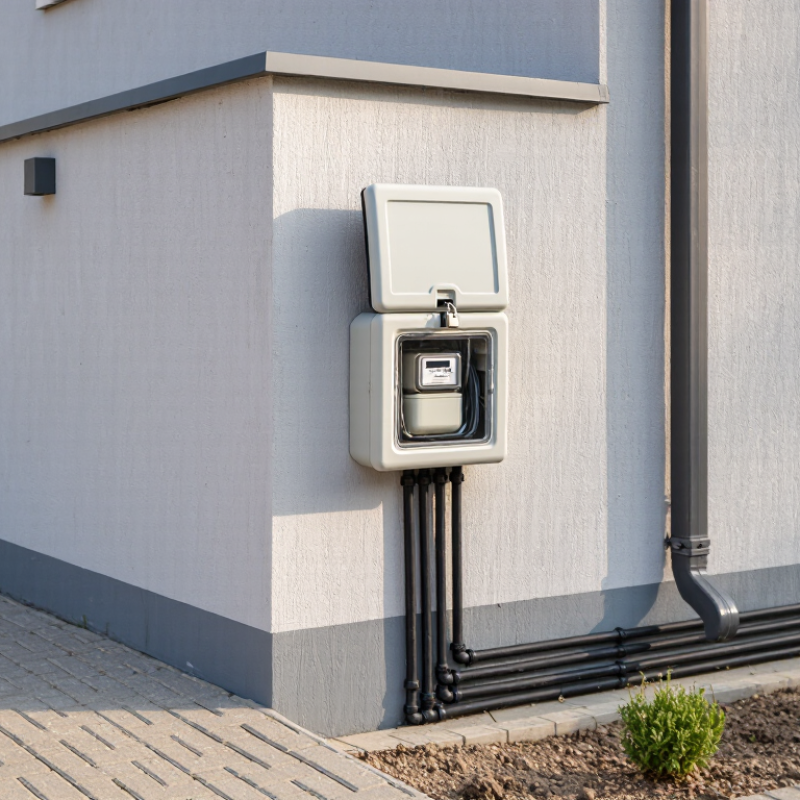
An external meter box is a weather-resistant enclosure fixed to an outside wall or set into a boundary. It holds a utility meter and keeps it accessible for readings, checks, and maintenance. The exact equipment depends on the service: some boxes contain an electricity meter, while others are designed for gas or water. Small, but important. A hinged door shields the meter from rain, dust, and accidental knocks, while still allowing an authorized person to reach it.

The box itself does not measure consumption. The meter inside records how much electricity, gas, or water passes through the property’s supply. A traditional meter may show figures on a dial or screen; a smart meter can also send readings remotely, depending on the system.

The enclosure helps protect that equipment, but it is not a guarantee against every problem. In practice, boxes can become damp, cracked, or difficult to open. A door that sticks may seem minor until a reading or inspection is needed.

If you notice damage, unusual heat, a strong smell, or exposed wiring, keep clear and contact your utility provider or a qualified professional. Don’t force the door or interfere with seals.

It is easy to overlook this small fixture, yet its condition affects safe access to the meter.

How an External Meter Box Protects Utility Metering Equipment

Why Is an External Meter Box Important for Your Property?

How an External Meter Box Protects Utility Metering Equipment

An external meter box creates a physical barrier around equipment that must remain accessible and readable. Its door and sealed edges help limit rain, dust, insects, and accidental contact. That matters because moisture can corrode terminals, while grit can interfere with hinges and seals. A well-fitted enclosure also reduces the chance of knocks from garden tools, bins, or passing activity.

The scale of metering makes dependable protection important. The U.S. Energy Information Administration reported about 119 million advanced meters installed by U.S. utilities in 2022, roughly 72% of all meters. That figure comes from its Electric Power Industry Report, Form EIA-861. Exposure risks are not theoretical: NOAA recorded 28 U.S. weather and climate disasters costing at least $1 billion each in 2023. These reports do not measure meter-box failures, but they show why equipment faces varied outdoor conditions.

Fit matters. The enclosure should suit the meter, leave required reading and maintenance access, and use seals and materials intended for its location. Check for cracks, loose fixings, condensation, and doors that no longer close firmly. No box is perfect. Strong sun and repeated temperature changes can still age materials, and a poorly installed seal may trap moisture instead of keeping it out. A quick visual check can catch problems early.

Why Is an External Meter Box Important for Your Property?

How an External Meter Box Protects Utility Metering Equipment

An external meter box provides an enclosure for metering equipment, helping shield it from environmental exposure and accidental contact. This chart compares the two digits in selected IP ratings: the first indicates protection against solid objects and dust, and the second indicates protection against water. These are rating examples, not a claim that every meter box has these ratings; check the specific product and local utility requirements.

How Outdoor Placement Improves Access and Safety

An external meter box puts the meter where utility staff can reach and read it without entering the home. That saves time during routine checks and makes access clearer when service needs attention. Keep the route firm, visible, and free of bins, bicycles, and thick shrubs. On a wet morning, a clear path and a readable meter are practical safety details. Small details matter.

Outdoor placement does not make electrical equipment risk-free. The enclosure must be suitable for its exposure, with sound seals and secure mounting; a qualified electrician should assess installation and condition. The National Fire Protection Association’s 2022 Home Electrical Fires report estimated 32,620 U.S. home fires annually involving electrical failure or malfunction, based on 2015–2019 data.

Those fires caused an estimated 430 deaths and 1,070 injuries each year. An accessible meter box cannot prevent every electrical fault, but it can make inspection and maintenance less awkward.

I would not assume that “outside” alone means safer: blocked access, damaged covers, or water entering the enclosure still deserve prompt attention.

Key Features That Support Durability and Security

An external meter box faces rain, sunlight, dust, and sudden temperature changes. Durable construction helps protect the meter and its connections from these everyday conditions. Look for a rigid enclosure made from weather-resistant material, with a close-fitting door and a gasket that sits evenly around the frame. Hinges and fasteners should resist corrosion, especially in damp or coastal areas. Small gaps matter. Water can work its way inside when seals crack or doors no longer align.

Security depends on more than a strong shell. A secure latch or lock can discourage casual interference while still allowing authorized utility workers access. The box should also be mounted firmly, without loose edges that can be pulled or rattled. Avoid blocking designed vents or drainage openings; trapping moisture can create problems of its own. Check the enclosure occasionally for hairline cracks, rusted screws, and stiff hinges. A tough-looking box can still hide a failing seal, so appearance alone is not a reliable inspection.

Choosing and Maintaining an External Meter Box

Choosing an external meter box starts with the meter, the wall, and local utility requirements. Check the required dimensions and access clearances before buying. The door should open fully without hitting a fence, drainpipe, or stored tools. Choose a weather-resistant enclosure suited to the site, especially where rain blows directly against the wall. A secure latch and intact seals help keep out moisture, dust, and insects. Small details matter.

Installation should leave the meter readable and reachable, not hidden behind bins or climbing plants. Ask a qualified electrician or utility provider to confirm placement and any ventilation needs. Do not move wiring or alter the meter yourself. A box that fits neatly may still be unsuitable if it traps heat or blocks safe access.

Check the enclosure every few months, and after severe weather. Look for cracks, loose hinges, rust around fixings, or water marks inside. Clear leaves and cobwebs from the edges, but avoid forcing a stiff door. Keep the area around it open. If the seal is damaged or the box feels loose, arrange a proper repair rather than covering the problem with tape. Even a tidy-looking box can hide wear beneath its frame.

Why Is an External Meter Box Important for Your Property? - Choosing and Maintaining an External Meter Box

Consideration Why It Matters Choosing or Maintenance Guidance
Protection from weather A suitable enclosure helps shield the meter and associated equipment from rain, wind, dust, and accidental contact. Choose an enclosure intended for the installation location. Check periodically for cracks, damaged seals, loose covers, or signs of water entry.
Safe and convenient access Clear access makes it easier for occupants and authorized utility workers to read, inspect, or service the meter. Keep the area in front of the box unobstructed. Before installation or relocation, check local utility requirements for access and positioning.
Size and compatibility The enclosure must accommodate the meter and any required fittings without crowding or interfering with the cover. Confirm the dimensions and installation requirements with the utility provider or a qualified installer before purchasing a replacement.
Material and location Outdoor exposure, impact risk, and the mounting surface can affect which enclosure is appropriate. Select a material and construction suited to the site conditions, and follow the manufacturer's installation instructions and applicable local requirements.
Cover, hinges, and fasteners A cover that closes securely helps protect equipment and discourages unintended access. Look for loose or corroded fixings and damaged hinges during routine visual checks. Have repairs carried out by an appropriately qualified person.
Ventilation and condensation Moisture inside an enclosure can contribute to corrosion or equipment problems; ventilation needs depend on the enclosure design and installation. Do not drill extra openings or block designed vents. If you notice persistent condensation, ask the utility provider or a qualified electrician to assess it.
Routine visual inspection Early attention to visible damage can help prevent worsening weather exposure or access problems. Check that the box is firmly mounted and the cover appears intact. Do not remove seals or interfere with the meter or its connections.
Repairs and compliance Meter equipment and service connections may be subject to utility rules and electrical safety requirements. Contact the utility provider about sealed equipment or service-side work. Use a qualified professional and follow local codes for enclosure replacement or installation.

By continuing to use the site, you agree to the use of cookies. more information

The cookie settings on this website are set to "allow cookies" to give you the best browsing experience possible. If you continue to use this website without changing your cookie settings or you click "Accept" below then you are consenting to this.

Close