
Blog

Why Choose a Smart Parking System?

Why Choose a Smart Parking System?

A driver circles a crowded block, watching the fuel gauge while every curbside space stays occupied. This familiar scene has a measurable cost. INRIX’s 2017 Parking Pain study estimated that U.S. drivers spend an average of 17 hours a year searching for parking. The figure is an estimate, not a promise that every city will see the same result. Still, it shows why better parking information matters.

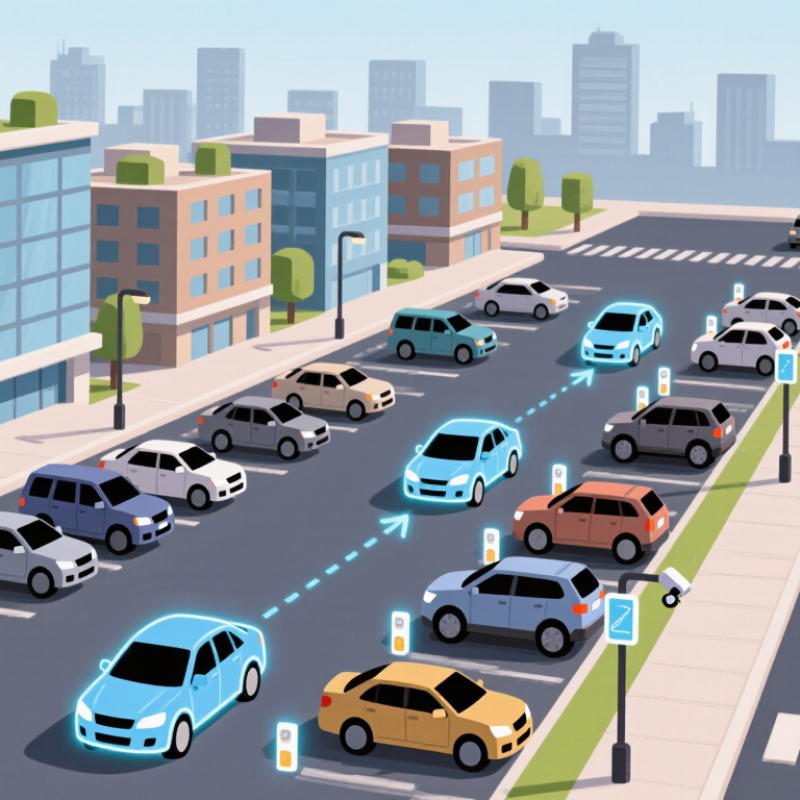
A Smart Parking System uses sensors, cameras, or connected meters to report space availability and guide drivers toward open spots. For operators, occupancy data can reveal which areas fill early and where demand changes by hour. That can support clearer decisions about signs, staffing, and space use. Small change. Less circling. Donald Shoup, a leading parking researcher, wrote that “cruising for parking is a serious problem” in his 2006 Transport Policy paper. His point is useful: finding a space affects more than convenience; it also shapes traffic on nearby streets. A smart system cannot create extra curb space, and sensors can fail or produce incomplete data. That limitation deserves attention. Yet, when the system is maintained and its information is reliable, it can make parking easier to understand for drivers and managers alike. The real question is not whether technology looks impressive. It is whether it helps people find a space with less guesswork.
Why Choose a Smart Parking System?

What a Smart Parking System Is and How It Works

A smart parking system connects space detection, digital maps, payment tools, and an operator dashboard. Its purpose is simple: show drivers where parking may be available. A sensor in the pavement can detect a vehicle through changes in magnetic fields; cameras or overhead sensors can cover larger areas. The system sends occupancy updates to software, which displays spaces through signs or a mobile interface. That sounds seamless. It often isn’t. Sensors can misread a motorcycle or miss a vehicle, and network delays can leave a space marked as occupied. Staff need to check equipment and provide clear signs when digital guidance fails.

The need is measurable. INRIX’s 2017 Parking Pain study estimated that U.S. drivers spend an average of 17 hours each year searching for parking. In San Francisco, the 2014 SFpark Pilot Project Evaluation reported a 43% reduction in average parking search time in pilot areas. These results describe specific settings, not a guarantee for every city. A useful system also gives operators reliable occupancy trends, helping them adjust prices, staffing, or curbside rules. Yet data alone cannot fix confusing layouts. A driver still needs to spot the entrance, understand the signs, and trust that the displayed space is actually open.

Key Technologies Behind Smart Parking

Key Technologies Behind Smart Parking

A smart parking system turns each bay into a source of live information. In-ground magnetic sensors or overhead cameras detect whether a space is occupied, then send updates through wireless networks to a central platform. Drivers can check availability on a sign or mobile map before turning down a crowded aisle. Small detail, real difference. INRIX’s 2017 Parking Pain study estimated that U.S. drivers spend an average of 17 hours a year searching for parking. That figure helps explain why timely occupancy data matters, though local results vary.

The platform also combines payment records, entry gates, and historical demand to predict busy periods. Edge computing can process camera images near the car park, reducing delays and limiting how much raw footage travels across a network. Operators can use dashboards to spot faulty sensors, compare occupancy by hour, and adjust signs or staffing. The U.S. National Institute of Standards and Technology’s 2020 report, IoT Device Cybersecurity Capability Core Baseline, highlights why connected devices need secure configuration and ongoing updates. Technology alone is not enough. A sensor can report an empty bay when a vehicle is parked unevenly, and rain or glare can confuse cameras. Human checks and clear maintenance routines still matter.

Why Choose a Smart Parking System? — Key Technologies Behind Smart Parking

Technology How It Works Parking Application Practical Value Important Consideration
Space-occupancy sensors In-ground or overhead sensors detect whether a parking space is occupied. Detection methods can include magnetic, ultrasonic, or other sensing technologies. Space-level monitoring in garages, lots, or designated on-street areas. Provides current occupancy information that can support availability displays and parking guidance. Performance depends on sensor placement, site conditions, maintenance, and reliable communications.
Camera-based detection Computer vision analyzes camera images to identify vehicles or estimate occupancy across one or more spaces. Monitors parking rows, entrances, exits, or larger areas from fixed camera locations. One camera may cover multiple spaces, depending on its position, image quality, and system configuration. Lighting, weather, obstructions, privacy requirements, and image-processing accuracy must be considered.
License-plate recognition Optical character recognition extracts a vehicle's registration number from an image captured by a camera. Can support ticketless entry and exit, access control, and matching a parking session to a vehicle. May reduce reliance on paper tickets when integrated with a suitable payment and access process. Recognition results can be affected by plate condition, camera angle, lighting, and local privacy rules.
IoT connectivity Sensors, cameras, controllers, and gateways send status data to a central platform over wired or wireless networks. Connects field devices with operator dashboards, signs, and user-facing services. Enables occupancy updates and remote monitoring without requiring every device to be checked in person. Network coverage, power, device security, and outage procedures are part of system planning.
Cloud or central management platform Software collects and organizes data from connected devices and presents it to authorized operators. Supports monitoring, configuration, reporting, and coordination across parking locations. Gives operators a shared view of system status and can help identify recurring operational issues. Data access controls, retention policies, service availability, and integration requirements should be defined.
Mobile payments and digital permits Users pay or manage parking sessions through a digital interface, while payment services process transactions. Supports pay-by-app, digital permits, and other electronic payment workflows. Offers an alternative to cash or paper-based processes and can make session management more convenient. Payment security, accessible alternatives, transaction fees, and clear user instructions matter.
Guidance signs and availability displays Displays receive occupancy information and show availability or directions to drivers. Directs vehicles toward available areas, floors, or zones within a facility. Can help drivers find parking more efficiently when the underlying occupancy data is timely and accurate. Signs should be easy to read and updated promptly when spaces become occupied or free.
Data analytics Reports and analysis summarize parking activity, such as occupancy patterns, session durations, and demand by time or location. Helps operators review usage trends and assess how parking resources are being used. Can inform operational decisions, planning, and adjustments to parking policies. Useful analysis depends on consistent data definitions, adequate data quality, and appropriate privacy practices.

How Smart Parking Improves the Parking Experience

A smart parking system can make arrival feel less like guesswork. Live space updates help drivers choose a lane before reaching a crowded row. Clear signs can point toward an open space, while payment options reduce time spent at a kiosk. Small details matter: fewer loops around a garage, less braking, and a shorter walk from the car to the lift.

INRIX’s 2017 Parking Pain report estimated that U.S. drivers spend an average of 17 hours each year searching for parking. The figure is not current, and conditions vary by city, but it shows how repeated searches consume real time. A system that shows reliable availability can reduce uncertainty, especially near busy shops, hospitals, and transit stops. Accuracy matters, though. A stale “space available” message can frustrate drivers more than no message at all.

For operators, occupancy data can reveal which floors fill first and when demand peaks. Staff can adjust signs or direct traffic before queues reach the entrance. Drivers may also find accessible spaces or charging bays more easily when information is clearly displayed. The technology is not a cure-all. Sensors need maintenance, and some drivers still prefer simple signs. That trade-off deserves attention.

Benefits for Drivers, Operators, and Cities

For drivers, smart parking replaces guesswork with live space availability, clear directions, and simpler payment. A driver circling a busy block can spend less time watching curbside gaps and more time reaching an appointment. INRIX’s 2017 Finding Parking in America report estimated that U.S. drivers spent an average of 17 hours a year searching for parking, with an annual cost of $345 per driver. That is a lot of wasted time.

Operators gain a more useful view of occupancy across garages and curbside spaces. Sensor and payment data can help staff identify underused areas, adjust signs, and plan maintenance before a small fault becomes a queue. SFpark’s pilot evaluation reported that average parking search time was 43% lower in participating areas. Results depend on local conditions, though; a sensor can misread a vehicle, and a full dashboard cannot replace a site visit.

Cities can use occupancy information to manage turnover and reduce unnecessary circling, while making parking availability easier to understand. Better data may also support planning decisions, such as where demand peaks or where accessible spaces are consistently occupied. But technology alone does not make parking fair or convenient. If coverage is patchy, the app may guide one driver well and leave another guessing. That matters. The street still has the final say.

Factors to Consider When Choosing a Smart Parking System

Why Choose a Smart Parking System?

Factors to Consider When Choosing a Smart Parking System

Choosing a smart parking system starts with the actual problem: full garages, curbside turnover, or drivers circling for open spaces. Check sensor accuracy in rain, glare, and busy traffic. Ask how often data updates and what happens during network outages. A bright dashboard is not enough.

Evidence can help set realistic targets. The San Francisco Municipal Transportation Agency’s 2014 SFpark pilot evaluation reported a 43% decrease in average parking search time and a 30% reduction in vehicle miles spent circling. Results from one city may not transfer directly to another. INRIX’s 2023 Global Traffic Scorecard estimated that U.S. drivers lost 42 hours to congestion on average; parking is only one part of that problem.

Compare installation and maintenance costs, integration with payment or access systems, and the clarity of reports for staff. Review data retention and access controls before collecting vehicle or occupancy information. Ask for a site trial, then compare sensor readings with manual counts at different times of day. Small gaps matter. A system that works in a neat garage may struggle on a crowded curb. Keep a fallback process for outages, and make sure staff can correct bad data without waiting for a vendor.

By continuing to use the site, you agree to the use of cookies. more information

The cookie settings on this website are set to "allow cookies" to give you the best browsing experience possible. If you continue to use this website without changing your cookie settings or you click "Accept" below then you are consenting to this.

Close