
Blog

Why Is Scaffolding Equipment Important?

scaffolding equipment is more than a temporary platform. It gives crews a stable place to work, keeps tools within reach, and supports access to walls, ceilings, and other elevated areas. On a busy site, a properly assembled scaffold can make the difference between controlled movement and a risky reach from a ladder. But equipment alone cannot make a job safe.

The risks are measurable. The U.S. Bureau of Labor Statistics’ 2022 Census of Fatal Occupational Injuries recorded 1,069 fatal work injuries in construction; 395 involved falls, slips, or trips. These figures cover construction broadly, not scaffolding alone, but they show why safe access deserves serious attention. OSHA has also estimated that about 2.3 million construction workers frequently work on scaffolds, and that better scaffold protections could prevent roughly 4,500 injuries and 50 deaths annually. That estimate is longstanding, not a current-year count.

Small details matter. A missing guardrail, an uneven base plate, or a loose plank can change how a platform behaves under load. Properly selected and maintained Scaffolding Equipment helps provide a sound working surface, while inspection, correct assembly, and trained use address risks the equipment itself cannot remove. The practical question is not simply whether a scaffold is present. Is it suitable for the task, stable on the ground, and checked before workers climb? Even good systems are sometimes treated as routine. That deserves reflection. When access is planned carefully, crews can focus on the work instead of improvising at height.
Why Is Scaffolding Equipment Important?

What Scaffolding Equipment Includes

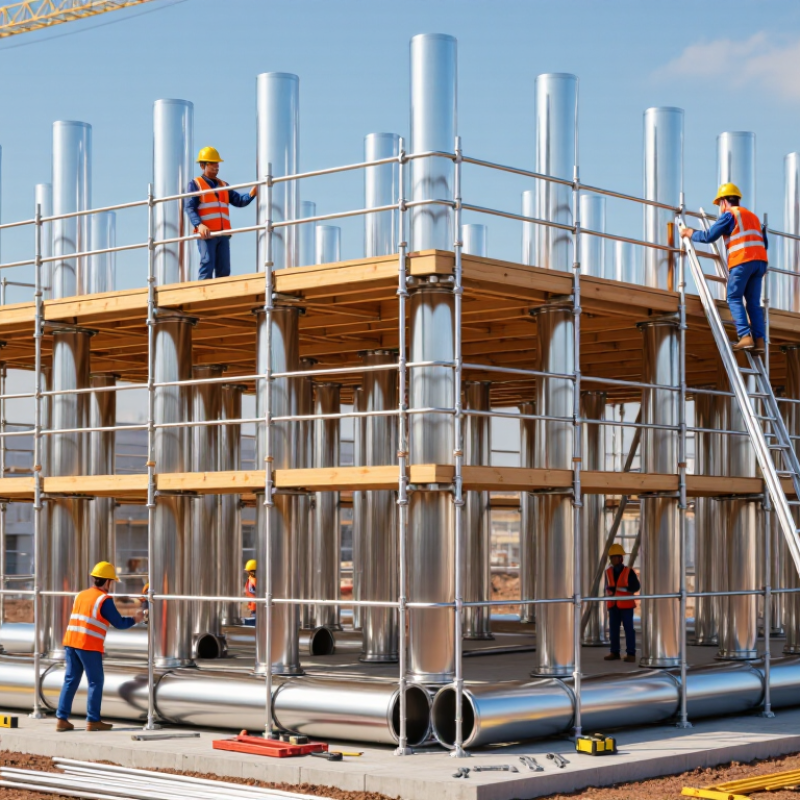
Scaffolding equipment is more than a row of metal frames. A typical setup includes vertical standards, horizontal ledgers, diagonal braces, and couplers that connect the structure. Together, these parts help keep the scaffold stable under expected working loads. Base plates spread weight across the ground, while adjustable screw jacks help level the frame on uneven surfaces. Platforms provide a firm place to stand and store tools. Guardrails and toe boards help reduce the risk of falls and dropped objects. Access ladders or stair units provide a safer route between levels. The exact arrangement depends on the work, site conditions, and equipment design.

Tips: Check that platform boards sit securely and connections are properly fitted. Keep access clear. Small parts matter.

Some jobs also require ties that connect the scaffold to a supporting structure. These can limit movement, but their placement must suit the scaffold design and site. Before work begins, a qualified person should inspect the assembled equipment, including braces, bases, platforms, and access points. Look closely at the ground after rain; soft soil can shift beneath a base plate. I have seen tidy-looking setups hide a loose fitting, so appearance alone is not enough. Follow the equipment instructions, and do not alter components to make them fit. A scaffold is only as dependable as its weakest connection.

Why Is Scaffolding Equipment Important?

Scaffolding equipment provides a stable work platform, supports workers and materials, and helps create safe access at height. Its components must be selected, assembled, and inspected for the intended use.

How to read this chart: The multiples compare OSHA load-support criteria with the maximum intended load. Scaffold and component criteria also require support for their own weight. These figures are not working-load ratings; actual capacity depends on the scaffold design, components, and site conditions. Source: OSHA 29 CFR 1926.451(a)(1) and 1926.451(a)(5).

How Scaffolding Provides Access to Elevated Work Areas

Scaffolding gives workers a stable route to elevated areas that ladders may not serve well. A properly decked platform can hold workers, hand tools, and materials near the task. That makes jobs like façade repairs, painting, and window installation easier to reach and organize. Workers can move along the platform without climbing down after every small task. Less climbing can also reduce fatigue. It is not risk-free, though. A cluttered deck or poorly placed access ladder can turn a useful platform into a hazard.

Tips: Keep access points clear. Check that platforms are fully decked and guardrails are secure before work begins. Place tools where they will not block the walkway. Never assume yesterday’s setup is still safe today; weather, shifting ground, or moved components may change conditions.

Reliable access starts with a setup suited to the building and the work. The platform should reach the task without forcing workers to stretch, lean, or stand on makeshift supports. Inspect the scaffold before each shift, and have a competent person address defects or changes. Even careful planning can miss an awkward corner or a step that feels uncomfortable. That is worth noticing. Workers should be able to report access problems and pause work until they are addressed.

Why Is Scaffolding Equipment Important? — How Scaffolding Provides Access to Elevated Work Areas

Work Activity Access Challenge How Scaffolding Helps Practical Safety and Work Benefits Important Controls
Exterior wall repair and painting Workers need to reach different sections of a wall while carrying tools and materials. A properly arranged platform provides a stable work surface along the required section of the building. Workers can position themselves near the work and keep commonly used tools within reach. Use suitable platform decking, guardrails, safe access, and a scaffold configuration appropriate for the task.
Window, façade, and cladding installation Work may extend across several levels, with components that need careful positioning. Scaffolding can provide access at multiple elevations and allow workers to work from a supported platform. Provides a more consistent work position than repeatedly moving a ladder for extended tasks. Check the scaffold’s rated capacity, including workers, tools, and materials; keep platforms clear of unnecessary loads.
Roof-edge inspection and maintenance Some tasks require access near roof edges or other areas where a fall could cause serious injury. Scaffolding can create a defined work platform and may support collective fall-protection measures when correctly designed and installed. Can reduce reliance on balancing or reaching from unsuitable access equipment. Plan edge protection, scaffold ties or supports, and access in accordance with the site conditions and applicable requirements.
Brickwork and masonry repairs Workers need a stable position for repetitive work and convenient access to tools and materials. A platform can be set at a practical working height and extended along the repair area. Supports a more controlled working posture and helps keep the work area organized. Do not exceed the platform’s load capacity; distribute materials appropriately and keep access routes unobstructed.
Mechanical, electrical, and overhead installation Installers may need both hands free while working above floor level. A scaffold platform offers a work surface for the task and access for workers, tools, and approved materials. Helps workers maintain a stable position while installing or servicing overhead components. Secure tools and materials as appropriate, protect people below, and use designated scaffold access points.
Temporary access for inspection or maintenance Fixed access may not reach the specific location, or the task may require access over a wider area. Scaffolding can be configured for the site and task, subject to a suitable design and installation. Provides a planned route to elevated work areas and a platform for inspection or maintenance activities. Have the scaffold erected, altered, and inspected by competent persons, and recheck it after changes or events that could affect stability.

Safety note: Scaffolding must be selected for the task and site conditions, erected and used according to applicable regulations and manufacturer instructions, and inspected by a competent person. It does not eliminate fall hazards; suitable guardrails, safe access, load management, and other required protections remain essential.

How Scaffold Components Create a Stable Work Platform

A stable work platform depends on how its parts share load, not on the frame alone. Standards matter. OSHA’s construction scaffold rule requires each scaffold and component to support its own weight plus at least four times the maximum intended load (29 CFR 1926.451(a)(1)). That allowance only works when frames, braces, pins, and screw jacks are compatible and correctly seated. A missing brace can let a bay sway; a loose locking pin can turn a routine step into a sudden shift. Small gaps matter.

Decking completes the system. OSHA generally requires scaffold platforms to be at least 18 inches wide, with specified exceptions, and calls for platforms to be fully planked or decked (29 CFR 1926.451(b)(2), (b)(1)). Workers should check that boards sit securely, overlap or are restrained as required, and do not rock underfoot. Guardrails and access ladders also help keep movement controlled, especially when workers carry tools or materials. The four-times capacity figure is not a target load. It is a design requirement, and uneven loading can still create problems. A careful inspection before each shift can catch loose couplers, damaged planks, or settling feet. On busy sites, checks may feel repetitive; skipping one is the part worth reconsidering.

How Proper Scaffolding Equipment Helps Reduce Workplace Risks

Why Is Scaffolding Equipment Important?

Proper scaffolding helps reduce workplace risks by giving crews a stable, elevated work area. A firm base, locked connections, and fully supported platforms can limit movement and reduce fall hazards. Guardrails and safe access points also help workers keep their balance while carrying tools. Small details matter. A loose plank or blocked ladder can turn a routine task into a serious incident.

Tips: Check the scaffold before each shift and after changes or severe weather. Confirm that the ground is firm and level, platforms are clear, and access routes are unobstructed. Follow the equipment’s load limits and site procedures. Have a qualified person address defects before anyone uses the scaffold.

Good equipment alone cannot make a worksite safe. Workers need clear instructions and a way to report shifting parts, damaged boards, or missing rails. A checklist helps, but it can become a ritual if nobody acts on what it finds. Pause work when conditions change, such as when wind picks up or materials crowd the platform. That judgment takes practice. It is easy to overlook a small warning when the job feels familiar.

Where Scaffolding Equipment Is Commonly Used

Why Is Scaffolding Equipment Important?

Where Scaffolding Equipment Is Commonly Used

Scaffolding equipment is common on new construction sites, where crews need steady access to walls, ceilings, and roof edges. Bricklayers may work from a platform beside a rising exterior wall. Painters and window installers use scaffolds to reach upper floors during repairs. Indoors, compact scaffold towers can help workers install lights or maintain high ceilings. The floor below matters, too: uneven ground can make an otherwise solid setup unstable.

Factories, warehouses, bridges, and other infrastructure also need scaffolding during inspections and maintenance. A crew might use a scaffold to reach overhead pipes, replace a damaged panel, or examine a concrete surface. Temporary platforms can serve theaters and event spaces during setup, but equipment must suit the task and site. A sturdy-looking frame can still have a weak point. Details are easy to miss.

Tips: Check the platform, braces, access points, and ground before use. Follow the equipment’s load limits and site procedures, and have a trained person inspect the setup. Keep materials from piling up on the platform. If the scaffold shifts, feels uneven, or lacks a secure access route, stop and address the problem before work continues.

By continuing to use the site, you agree to the use of cookies. more information

The cookie settings on this website are set to "allow cookies" to give you the best browsing experience possible. If you continue to use this website without changing your cookie settings or you click "Accept" below then you are consenting to this.

Close