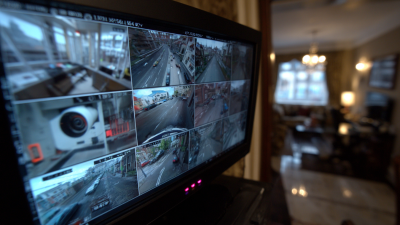
What Is the Best CCTV Camera System in 2026?
Choosing the best Cctv Camera System in 2026 means matching coverage to real risks, not buying the most cameras. A front path, a dim side gate, and a busy shop entrance each need different views. Resolution matters, but so do night performance, storage, reliable alerts, and simple playback. A crisp image is little help if the system misses motion or takes too long to retrieve footage.
Bruce Schneier, a respected security technologist, has said, “Security is a process, not a product.” That idea applies to camera systems: installation, maintenance, and sensible access controls matter alongside hardware. This guide compares wired and wireless options, local and cloud storage, and features that affect everyday use. It also considers setup effort, ongoing costs, compatibility, and how clearly each system handles low light. Look for practical details, not just impressive specifications. Small differences matter.
No system sees everything. A camera can be blocked by a parked van, glare, or a branch moving in the wind. Even a careful comparison has limits, and this one may favor common household and small-business needs over unusual setups. Use the recommendations as a starting point, then check camera placement and storage needs against your own space. The best choice should make important footage easier to capture and review—not simply add more cameras.

What a CCTV Camera System Includes in 2026
A CCTV camera system in 2026 is more than a row of cameras. It includes cameras, a recorder or network storage device, software, power, and a way to view footage. Each part affects whether the system remains useful after installation. A sharp image is no help if the recorder has no space left.
Cameras capture the scene; a recorder stores video, often on a schedule or when motion is detected. Many systems also offer remote viewing and alerts through an app. Smart detection can distinguish people or vehicles from shifting tree shadows, but it is not perfect. Small details matter. Check night performance, viewing angles, and how many days of footage the storage can realistically retain. Network capacity matters too, especially when several cameras stream high-resolution video at once.
The installation may include cables, mounts, a monitor, and backup power. Wired connections can be dependable, while wireless cameras may be easier to place but rely on a stable signal and battery upkeep. Keep the recorder and network equipment in a secure, ventilated spot. Set clear access permissions, update software, and limit who can view recordings. I would avoid choosing a system by camera count alone; one poorly positioned camera can miss a doorway. Even a careful setup may need adjustment after seeing how headlights, rain, or a porch light affect the image.
How CCTV Systems Differ by Camera and Recording Type
A CCTV system is shaped by two choices: the camera’s view and where footage is recorded. Fixed bullet cameras suit gates and long driveways, while domes are less exposed to bumps in busy hallways. PTZ cameras can pan across a yard, but they may miss activity outside their current view. Small details matter: a face at dusk needs adequate low-light performance, not just a high resolution number.
Recording type changes daily operation. DVRs handle coaxial cameras; NVRs record network cameras and can simplify adding cameras across a building. Edge storage on a memory card can keep clips during a network outage, while cloud or hybrid recording supports off-site access but depends on connectivity and subscription terms. It is a trade-off. Grand View Research estimated the global video surveillance market at $74.6 billion in 2024, forecasting 12.7% annual growth through 2030. MarketsandMarkets projected growth from $53.7 billion in 2023 to $83.3 billion in 2028. Their different estimates reflect varying market definitions, not a direct comparison. Growth projections do not tell buyers which setup suits a particular property. A camera with a wide view may still leave a face too small to identify. Test the view, night image, and recording during a real outage before deciding.
Which Features Matter When Comparing CCTV Systems
When comparing CCTV systems, start with the scene, not the biggest resolution number. A wide driveway may need a different lens than a narrow hallway. Check whether faces and useful details remain clear at the distances you actually need. Test footage at dusk, too. Some cameras show sharp daytime images but lose detail when headlights flare or shadows deepen.
Low-light performance matters. So does consistent recording. Ask how the system stores footage, how long it keeps it, and what happens if the network drops. Local storage can reduce dependence on internet access, while secure remote viewing can help when you are away. Look for clear user permissions, encrypted connections, and regular security updates. These details are easy to overlook.
Then consider installation and daily use. Wired connections may be more stable, but cable routes can make installation harder. Check weather protection for outdoor cameras, and confirm that alerts can be adjusted to avoid constant notifications from passing cars or moving branches. A simple playback search is valuable when you need one event quickly. Specifications do not tell the whole story. I would compare sample recordings and test the controls before choosing; even careful planning can miss a blind spot. A short walkthrough at different times of day can reveal more than another feature list.
What Is the Best CCTV Camera System in 2026?
Which features matter when comparing CCTV systems? Resolution is one useful comparison point: higher pixel counts can capture finer image detail.
Pixel counts are calculated from each format’s standard dimensions: 1920 × 1080, 2560 × 1440, and 3840 × 2160. Resolution alone does not determine image quality; lens quality, lighting, compression, camera placement, and recording capacity also matter.
How Installation, Storage, and Privacy Affect System Choice
What makes the best CCTV camera system in 2026 depends less on its feature list than on the building it must protect.
Walk the property before choosing cameras. A view from the front door may miss parcels left below the frame, while a camera mounted too high can capture little useful detail. Check power outlets, cable routes, and Wi-Fi strength at each planned location. A signal that works indoors may falter through brick walls. Wired systems can offer steady connections, but installation takes more planning. Wireless cameras are easier to reposition, though batteries need attention.
Storage changes the everyday experience.
Local recording can keep footage available without a constant internet connection, while cloud storage can simplify remote access and backup. Compare subscription costs, recording limits, and how quickly clips can be retrieved. Test this before an incident, not after. Retain only the footage you reasonably need, and protect accounts with strong, unique passwords and available account safeguards.
Privacy deserves equal weight.
Aim cameras at entrances, driveways, and shared areas rather than neighboring windows or private rooms. Use privacy zones where available, and limit who can view recordings. There is no perfect setup. A camera may still miss a face at night or lose connection during an outage, so check its night view and failure alerts. I would not choose a system on resolution alone; dependable placement and sensible storage often matter more.
How to Choose the Best CCTV System for Your Needs
Choosing the best CCTV system starts with the scene, not the camera specification sheet. A doorway, driveway, and checkout counter need different views. Measure each area, note the lighting after dark, and decide whether you need to identify faces, read plates, or detect movement.
Small detail, big difference.
IEC 62676-4 guidance links image detail to the task and viewing position; more megapixels alone cannot fix a badly aimed camera. A 2019 Campbell systematic review by Piza and colleagues analyzed 76 studies and associated CCTV with a 13% overall crime reduction, with the strongest effect in car parks (37%). That finding is useful context, not a guarantee for a home or shop.
Choose recording or network storage that meets your retention needs, and check that exported clips preserve clear timestamps. Compare night performance, weather resistance, backup power, privacy controls, and storage costs—not just the purchase price.
No setup is perfect. Leave room for careful positioning and a test recording; these steps are easy to underestimate. Review footage from the intended mounting height, because a neat floor plan can still hide blind spots.