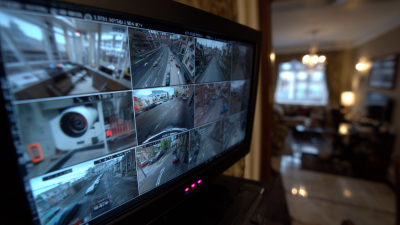
A Cctv Alarm System can help businesses protect people, equipment, and daily operations. It combines visible cameras, motion detection, alarms, and professional monitoring in one security strategy. At a small warehouse, for example, a camera may capture a loading-bay door while a sensor detects movement after closing time. This connection can provide faster awareness and clearer evidence when an incident occurs.
Security technology expert Bruce Schneier has said, “Security is a process, not a product.” His observation applies directly to every Cctv Alarm System. A reliable installation needs more than cameras on walls. It requires careful site assessment, suitable lighting, secure password practices, regular testing, and staff training. Local storage, cloud access, and alert settings should also match the business’s operational needs and privacy responsibilities.
Small details matter.
A camera pointed toward glare may miss a person’s face. An alarm with too many false alerts may eventually be ignored. These weaknesses are easy to overlook, even in professionally designed systems. Business owners should review coverage after dark, test emergency contacts, and maintain equipment on a scheduled basis. A Cctv Alarm System cannot replace responsible management, but it can strengthen awareness and response. Its value comes from thoughtful design, dependable maintenance, and honest evaluation—not from buying the most expensive equipment.

A CCTV alarm system combines cameras, sensors, an alarm panel, and communication software. It watches activity while people are away. Cameras capture video, while door contacts, glass-break sensors, or motion detectors identify possible intrusion. The control panel compares these signals before triggering a siren or sending an alert. That combination matters. A camera alone records an event. An alarm system can react to it.
Modern systems may use video analytics to detect movement, restricted-area entry, or activity outside business hours. A monitoring centre can review the clip and contact authorised staff. Secure cloud storage supports later investigation, while local recording can continue during an internet outage. The National Institute of Standards and Technology recommends access controls, audit logs, and secure updates for connected systems. These safeguards are easily forgotten.
The FBI Crime Data Explorer reported an estimated US burglary rate of 250.7 per 100,000 people in 2023. This national figure does not predict risk at every business. It does show why visible detection and fast notification remain practical concerns. IBM’s Cost of a Data Breach Report 2024 placed the average breach cost at 4.88 million US dollars. A poorly protected camera network can create another security weakness. Strong passwords, multi-factor authentication, limited user access, and regular firmware updates are essential. No system is perfect. Poor camera angles, glare, weak lighting, or false alarms can still undermine good equipment.
A CCTV alarm system protects business premises by combining visible evidence with immediate detection. Cameras watch entrances, loading areas, tills, and dark corridors. An alarm can then alert trained responders when motion, forced entry, smoke, or unusual activity is detected. This layered approach reduces the time between an incident and a practical response.
Research supports the value, but it does not promise perfection. A College of Policing review found that CCTV reduced crime by about 13% overall, with stronger results in car parks. A University of North Carolina study found that around 60% of interviewed burglars avoided homes with alarms. That study focused on residential properties, so applying it directly to businesses requires caution. Still, the deterrence principle is relevant. Cameras also create time-stamped footage, which can clarify damaged doors, missing stock, or disputed access. Poor lighting, blind spots, and untested sensors can weaken the system.
Tips: Place cameras where faces and hands are clearly visible. Test alarms monthly, review access permissions, and keep recordings protected. Make sure staff know what an alert sounds like and who responds. Avoid relying on cameras alone. Human review still matters. A rushed installation may look secure while leaving the rear delivery entrance exposed. Assess the site after dark, during deliveries, and during quiet periods. Review findings against current guidance from the College of Policing, the National Institute of Justice, and relevant security professionals.
A CCTV alarm system can give a business earlier warning, clearer evidence, and faster response.
The FBI’s 2023 Crime Data Explorer recorded an estimated 847,522 burglaries in the United States. That figure supports careful planning, not blind confidence in cameras. A visible camera may discourage entry, but it cannot replace a properly configured alarm.
Image quality should fit the site. Choose sufficient resolution for faces, clothing, and vehicle details at actual viewing distances. Infrared or low-light performance matters in loading bays and dark corridors.
Intelligent detection can reduce false alerts by distinguishing people from animals, shadows, or moving branches. The alarm should connect with cameras, door contacts, panic buttons, and remote notifications. During testing, alerts must reach a real person, not disappear into an unused inbox.
Storage and cybersecurity deserve equal attention. Select retention time based on business risk, bandwidth, and recording quality. Encrypt data in transit and at rest, use strong authentication, and separate security devices from office networks.
The 2024 Verizon Data Breach Investigations Report analyzed 30,458 security incidents, showing why connected systems need disciplined access controls. Power backup and network failover are also practical requirements.
One weakness remains easy to overlook: poor camera placement. Even expensive equipment fails when glare, shelving, or an open doorway blocks the view. Review footage from a customer’s eye level, then adjust it.
Perfect coverage is rarely realistic. Reliable coverage is achievable.
A CCTV alarm system strengthens security by combining visual evidence with immediate alerts. Cameras can monitor entrances, loading areas, corridors, and quiet storage rooms. When motion appears after closing time, the system can notify trained staff quickly. Live footage also helps staff judge whether an alert needs urgent attention. Clear images matter. Poor lighting or blocked camera views can weaken the entire setup.
The system can improve daily operations, not only prevent unwanted access. Managers can review delivery times, identify repeated access problems, and check whether restricted doors remain closed. A camera near a loading bay may reveal a damaged pallet or an unsafe walkway. These details support better training and smoother workflows. However, constant monitoring can create distractions. Staff need clear procedures, limited access, and regular system checks.
Risk management becomes more practical when video, alarms, and incident records work together. During a site assessment, test each sensor at different times and review how alerts reach responsible employees. Keep recordings secure and follow applicable privacy requirements. A system is not flawless. Cameras may miss activity, alarms may trigger falsely, and networks can fail. Regular maintenance, updated passwords, backup communication methods, and documented response steps reduce those weaknesses. Reviewing one recent alert each month can expose gaps that routine inspections overlook.
A CCTV alarm system can connect visual evidence with immediate alerts. Planning should begin with risks, not equipment. Walk through entrances, storage rooms, loading areas, and staff-only spaces. Note poor lighting, blind corners, and valuable assets nearby. Experienced installers often create a simple site map before recommending cameras. Choose coverage based on image detail, viewing distance, lighting, and recording needs. Keep it practical. Also check local privacy requirements before recording employees or visitors.
Installation quality affects reliability more than impressive specifications. Mount cameras high enough to resist accidental contact, but keep lenses accessible for cleaning. Aim devices away from direct sunlight and reflective glass. Place alarm sensors on likely entry points, then test detection from different angles. Test every zone. Use protected cabling and secure network access with strong, unique passwords. A written handover should explain user permissions, alert settings, retention periods, and emergency contacts. Many businesses overlook this step, leaving staff unsure when an alert appears.
Maintenance should follow a calendar rather than memory. Inspect camera views monthly for dust, water marks, shifted angles, or new obstructions. Review sample recordings and confirm timestamps remain accurate. Test alarms during an agreed low-impact period, and record the results. Replace weak batteries promptly. Keep firmware current through controlled updates, preferably after checking system compatibility. Small gaps matter. One honest weakness is false alarms; they may train staff to ignore warnings. Adjust sensitivity carefully, study the cause, and document every change. Reassess coverage after renovations, lighting changes, or altered working hours.
By continuing to use the site, you agree to the use of cookies. more information
The cookie settings on this website are set to "allow cookies" to give you the best browsing experience possible. If you continue to use this website without changing your cookie settings or you click "Accept" below then you are consenting to this.